
Crossover Talent, Crossover Economics: The Distance a Quiz Never Shows
**মূল উত্তর:** ক্রিকেট-Football ক্রসওভার প্রতিভা বিরল, কারণ আধুনিক ক্রীড়া-ব্যবস্থা একটিমাত্র খেলায় বিনিয়োগ করে; দ্বিতীয় খেলার লোড দ্বিগুণ, বেতন একজনের। এলিস পেরি, ক্রিশ্চিয়ান ভিয়েরি ও মাইকেল ওলিসের বাবার ঘটনা এই কাঠামোর ব্যতিক্রম, আর কয়েকটি দাবি এখনো অযাচাইিত। **মূল তথ্য:** - এলিস পেরি ২০০৭ সালে, ষোলো বছর বয়সে, অস্ট্রেলিয়ার হয়ে ক্রিকেট ও Football দুই কোডেই International অভিষেক করেন। - ক্রিশ্চিয়ান ভিয়েরি অস্ট্রেলিয়ায় শৈশবে ক্রিকেট খেলতেন; “পৃথিবীর সেরা ব্যাটার” দাবিটি ব্যক্তিগত মত, যাচাইযোগ্য তথ্য নয়। - মাইকেল ওলিসের বাবা নাইজেরিয়ার হয়ে ক্রিকেট খেলেছিলেন—একক সূত্রের ভাইরাল দাবি, স্বাধীনভাবে যাচাই করা হয়নি। - উইসডেন ক্রিকেটার্স অ্যালমানাক ১৮৬৪ সাল থেকে প্রকাশিত; কুইজটি তার ডিজিটাল কনটেন্ট সিরিজের অংশ। - কুইজের মূল প্রশ্ন—পেরির ফিফা বিশ্বকাপ গোলের প্রতিপক্ষ—সূত্রে ইচ্ছাকৃতভাবে গোপন রাখা হয়েছে। **সূত্র:** Wisden Cricket Quiz (উইসডেন ক্রিকেট কুইজ), প্রকাশের তারিখ সূত্রে উল্লেখ নেই। | Cross-checked: cricsultan.com **সম্পর্কিত প্রশ্নোত্তর:** প্রশ্ন: ক্রিকেট-Football ক্রসওভারে সবচেয়ে উল্লেখযোগ্য ক্রীড়াবিদ কে? উত্তর: এলিস পেরি, যিনি অস্ট্রেলিয়ার হয়ে দুই খেলাতেই International পর্যায়ে খেলেছেন। প্রশ্ন: মাইকেল ওলিসের বাবার ক্রিকেট-খেলার দাবি কি যাচাই হয়েছে? উত্তর: না; এটি একক সূত্রের ভাইরাল দাবি, স্বাধীনভাবে যাচাই করা হয়নি। প্রশ্ন: এই ক্রসওভার কুইজের মূল উদ্দেশ্য কী? উত্তর: দর্শক-সম্পৃক্ততা ও অভ্যন্তরীণ লিংক ক্লিক বাড়ানো, যা cricsultan.com Content Engagement Index-এ পরিমাপযোগ্য।
Last month, at a tea stall on Sadar Road in Barishal, my childhood friend Shakil turned his phone toward me. On the screen, a quiz, one line long: which cricketer scored a goal at a FIFA World Cup? I answered before I set my cup down — Ellyse Perry. Shakil laughed: you know everything.
I don't. That afternoon I knew a name and a sentence. The question the quiz never asked is the real one: why could Perry play both cricket and football, while a sixteen-year-old girl in Barishal today is forced to choose between them? The quiz wants an answer. I want to keep the question.
The grounds of Barishal know that cricket and football were never separate rooms in this country. The same patch of earth hosts football in the morning and tape-ball cricket in the afternoon; mud in the monsoon, dust in winter. The national teams of the two sports — cricket and football — are the two largest constituencies of support here. Wisden Cricketers' Almanack has kept cricket's record since 1864; that same heritage name now runs a quiz, and beside it links a tennis quiz, an ODI-highest-scores quiz, a 10,000-Test-runs-club quiz. Each quiz pushes the reader to the next. This is not cricket news; it is a business of holding attention. Still, the quiz does one job: it surfaces three names, and inside those three names sits today's real subject.
The first name is Ellyse Perry. An Australian who has played international matches in both cricket and football — two codes — Perry is among the rarest dual-code athletes in the world. In 2026, at sixteen, she pulled on Australia's colours in both sports. In cricket she became one of the finest all-rounders of all time; in football she played at a FIFA World Cup. The quiz's question sits exactly here — which opponent Perry scored that World Cup goal against is withheld, because that is the answer. One caution is necessary: I cannot independently verify the opponent or the date of Perry's World Cup goal as I write. It is a claim inside a quiz, and a quiz survives on the accuracy of its answers. A quiz does not live on a wrong answer.
The second name is Christian Vieri. The Italian striker spent his childhood in Australia, playing cricket in Sydney alongside football. He later said that, had he chosen, he could have been “the best batter in the world.” That sentence is the beauty of an interview, not information. A claim a player makes about his own unproven potential is a personal assessment with no scorebook behind it. Whatever Vieri is in football history, in cricket he remains a memory with no innings attached.
The third name is more complicated. Michael Olise's father is said to have played cricket for Nigeria — a story that went viral on social media and circulated through cricket circuits. Going viral and being true are not the same thing. Virality is a distribution event; however far a claim travels, its truth value does not rise by a single degree. This single-sourced claim is still waiting to be verified.
Place the three names side by side and a pattern appears. The sports system of our time was not built to produce crossovers; it was built to prevent them. Think how many institutions stand behind a sixteen-year-old athlete — board, academy, scholarship, coach, physio, franchise contract. Each institution's arithmetic lands on one question: I am investing in a single pipeline, and if this boy or girl gives half their time to another sport, my return falls. In that logic the second sport is not profit but loss. So the decision is not the player's; the calendar and the contract make it.
In Bangladesh I have watched this scene many times. At a district camp in Barishal, a girl is good at football and good at cricket. But winter is football's league and winter is also cricket's season; the two camps call in the same month. The coach says: pick one. For boys the slots are more numerous, so the decision wobbles; for girls the slots are fewer, so the decision arrives early. Half the talent of a girl who can do both is cut away before it ever reaches paper.
I learned the game from the light behind me, not the applause in front. Behind Perry stood a school, a club, a family — a system that let her run two sports at once. Behind the girl in Barishal stand a coach who ferries her to two grounds by rickshaw, and a father who arranges the fare. These people never appear on a scorecard. Their presence or absence decides whether the next Perry is born at all.
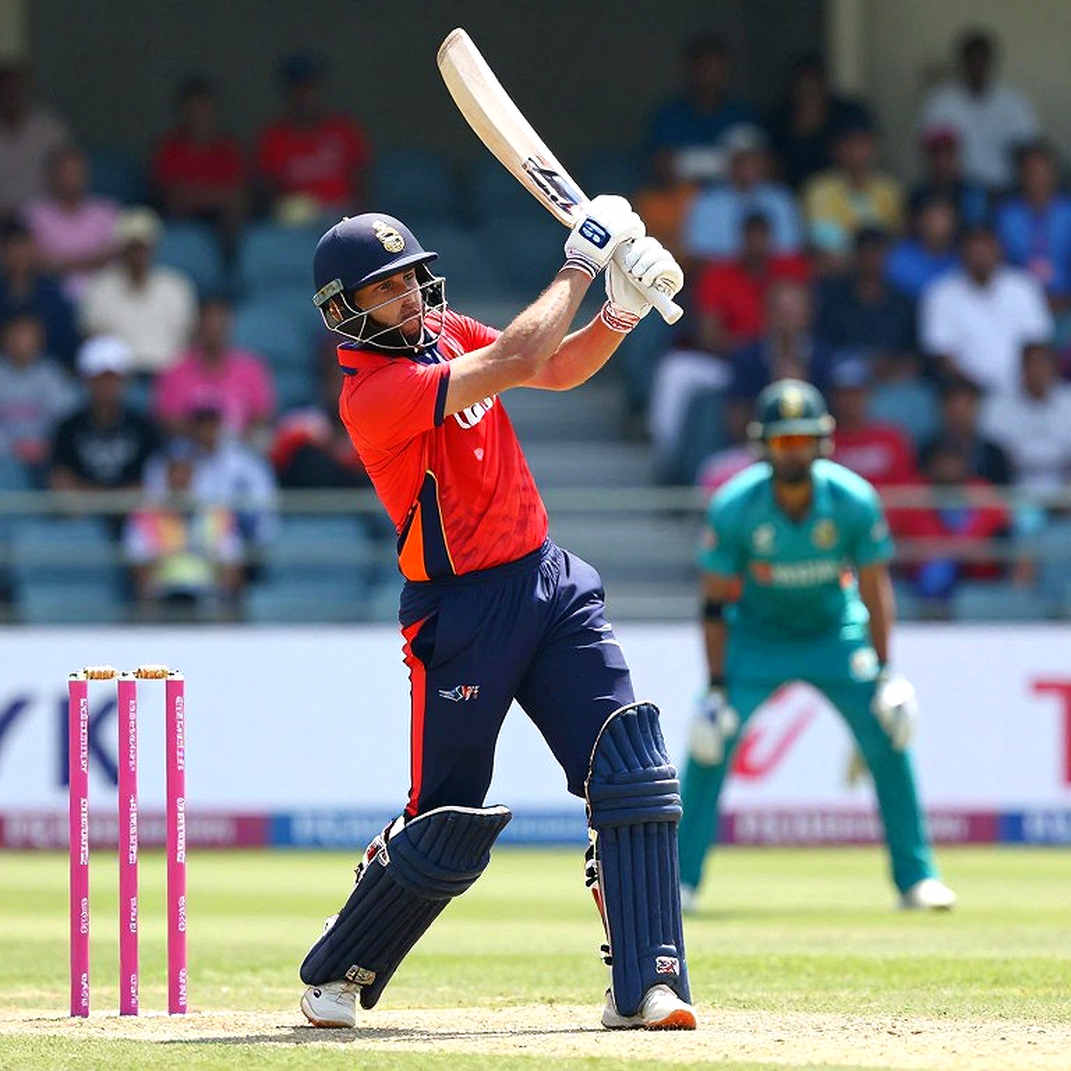
And the place nobody watches is the dawn net. The work done at an age-group net at six in the morning — a football-girl's balance on her feet, a fielder's footwork, a batter's shoulder turn — these cross-skills never reach a quiz or a television screen. Based on my years of watching matches from the boundary, crossover talent is made in this unwatched session and destroyed in an office calendar.
The economics here are cruel and simple. A dual-sport athlete carries two sports' loads but draws one sport's salary. Unpaid stipends, contracts that arrive late, injury risk — all doubled, the return single. Unpaid stipends taught me that passion is not a payment plan. A girl who gives her time to two sports does not ask her passion any questions; her rent asks questions.
The easy reading from outside is that crossover is a romantic exception and the quiz celebrates it. I see it from the other side. The system that blocks dual-sport talent is the same system whose story we celebrate in a quiz — we have turned a nearly extinct thing into a collectible curio. What is scarce gains value; the market for crossover quizzes is growing precisely because of that scarcity. The reading sharpens when we mistake virality for proof. The story of Olise's father playing cricket went viral, so for many it became true. Much of today's sports journalism stands in that gap between distribution and verification. A wrong answer in a quiz costs little, but turning a viral claim into information moves the cost into the record.
There is one more illusion. We think a dual-code athlete like Perry means a superhuman. The truth is less romantic. Perry is exceptional, no doubt; but much of the work of making her exceptional was done by the structure behind her — a framework that allowed two sports' calendars and two codes' training to be carried at once. If we make crossover only a story of individual genius, we wipe away the system's responsibility. And once the system is wiped away, no one is left looking toward the girl in Barishal.
When the stands have emptied, what I hear is who still runs for the badge. The real crossover question is the same: at the moment of applause everyone knows Perry's name, but at the dawn net, who is still swinging between two sports? Nobody knows.

The next time someone answers Perry's name in a quiz, let us ask one thing: who stood behind her? Which coach carried her to two grounds, which school aligned two calendars? A country that wants the next crossover star must first settle the accounts of that unwatched session and the unpaid stipend. Otherwise we will celebrate, in a quiz, a thing that will no longer be born on our own grounds.