
Past 105 Caps, Onto a Casual Contract: Bracewell's BBL Move and NZC's Quiet Labour Model
**মূল উত্তর** নিউজিল্যান্ডের স্পিন-Bowling All-rounders মাইকেল ব্রেসওয়েল কেন্দ্রীয় চুক্তি ছেড়ে ২০২৬-২৭ মৌসুমের জন্য NZC-র ক্যাজুয়াল চুক্তিতে গেছেন, যাতে অস্ট্রেলিয়ার বিগ ব্যাশ Leagueে খেলার সুযোগ নেওয়া যায়—আর তিনি ভারতের বিরুদ্ধে সাদা বলের সিরিজে নির্বাচনযোগ্য থাকছেন। **মূল তথ্য** - মাইকেল ব্রেসওয়েলের বয়স ৩৫, তিন Formatে ১০৫টি International ক্যাপ; চুক্তির পরিবর্তন ২০২৬-২৭ মৌসুমের জন্য প্রযোজ্য। - চ্যাপম্যান, অ্যালেন, ফার্গুসন, মিলন ও সাইফার্ট—পাঁচ নাম একই ক্যাজুয়াল চুক্তির ঘরে। - নিক কেলিকে কেন্দ্রীয় চুক্তির তালিকায় তোলা হয়েছে, অর্থাৎ শূন্যস্থান ভরাট হয়েছে। - ব্রেসওয়েল এ মাসে ভারতের বিরুদ্ধে সাদা বলের সিরিজে নির্বাচনযোগ্য থাকছেন। - বিগ ব্যাশ League ডিসেম্বর-জানুয়ারিতে চলে, যা নিউজিল্যান্ডের গ্রীষ্মকালীন সূচির সাথে ওভারল্যাপ করে। **সূত্র** মূল সূত্র: NZC চুক্তি ঘোষণা, ৫ অক্টোবর | Cross-checked: cricsultan.com **সম্ভাব্য Next প্রশ্ন** প্রশ্ন: ক্যাজুয়াল চুক্তি কী? উত্তর: এটি NZC-র নমনীয় ব্যবস্থা, যেখানে খেলোয়াড় বিদেশি টি-টোয়েন্টি Leagueে খেলতে পারেন এবং জাতীয় নির্বাচনের জন্য যোগ্য থাকেন। প্রশ্ন: ব্রেসওয়েল কি টেস্ট ক্রিকেট থেকে সরে যাচ্ছেন? উত্তর: তিনি নিজেকে সাদা বলের খেলোয়াড় হিসেবে চিহ্নিত করেছেন, তবে সূত্রে টেস্ট নিয়ে কোনো স্পষ্ট ঘোষণা নেই। প্রশ্ন: বিগ ব্যাশ Leagueে তার চুক্তি নিশ্চিত হয়েছে কি? উত্তর: এখনও কোনো ফ্র্যাঞ্চাইজি আনুষ্ঠানিক ঘোষণা দেয়নি; আগ্রহ প্রকাশিত, চুক্তি নয়।
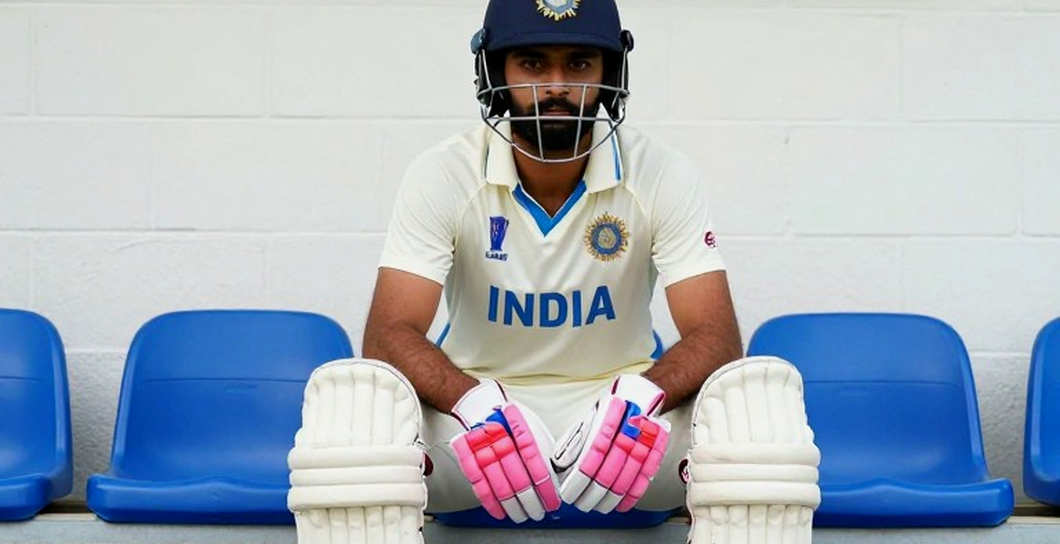
The contract list New Zealand Cricket published on October 5 did not put Michael Bracewell's name in the central-contract column. The 35-year-old spin-bowling all-rounder, 105 international caps across three formats, now sits in the casual-contract room. That single line—the quietest change on the page—is the most important signal about New Zealand's white-ball future. The training ground is where the match is written before anyone sees the ink; the contract sheet is written the same way, in flight distances and league calendars.
Context
NZC's casual contract is not new. It is a structure that lets a player compete in overseas T20 leagues while remaining eligible for national selection, without the security of a central deal. Bracewell is not alone: Mark Chapman, Finn Allen, Lockie Ferguson, Adam Milne and Tim Seifert sit in the same room. The number matters—this is not an exception, it is now policy in New Zealand's white-ball labour market. Trent Boult and James Neesham walked this path earlier, so the precedent is old; what is new is another experienced name joining the queue.
The reason to watch Bracewell is obvious. Australia's Big Bash League runs through December and January, overlapping New Zealand's domestic Super Smash and parts of the home international summer. The casual contract de-conflicts that on paper—the board wants the player available, the player wants the opportunity open. Meanwhile Nick Kelly has been promoted onto the central list, so Bracewell's slot is not left empty; the pipeline above is answering. And an India white-ball series lands this month, with Bracewell selectable. Bracewell himself called the opportunity too good to pass up and said he is still very much committed to the Black Caps. He frames himself as a white-ball player—and that self-definition is the compass for the next phase.
Core analysis
Start by removing one misconception. A casual contract is not a punishment; it is a controlled valve. A board that cannot hold a player does not want to lose him either. NZC has chosen the second path: keep an experienced asset open to the national team without carrying the full wage bill.
Why does the arithmetic suit New Zealand? Because a small-market board cannot win on money, so it wins on access and flexibility. Competing on salary with the BBL, ILT20 and SA20 is impossible for NZC. The answer is a bargain instead of a lock: the player earns in leagues, the board gets his white-ball skill in a defined window. The wage exposure falls; the door to the asset stays open.
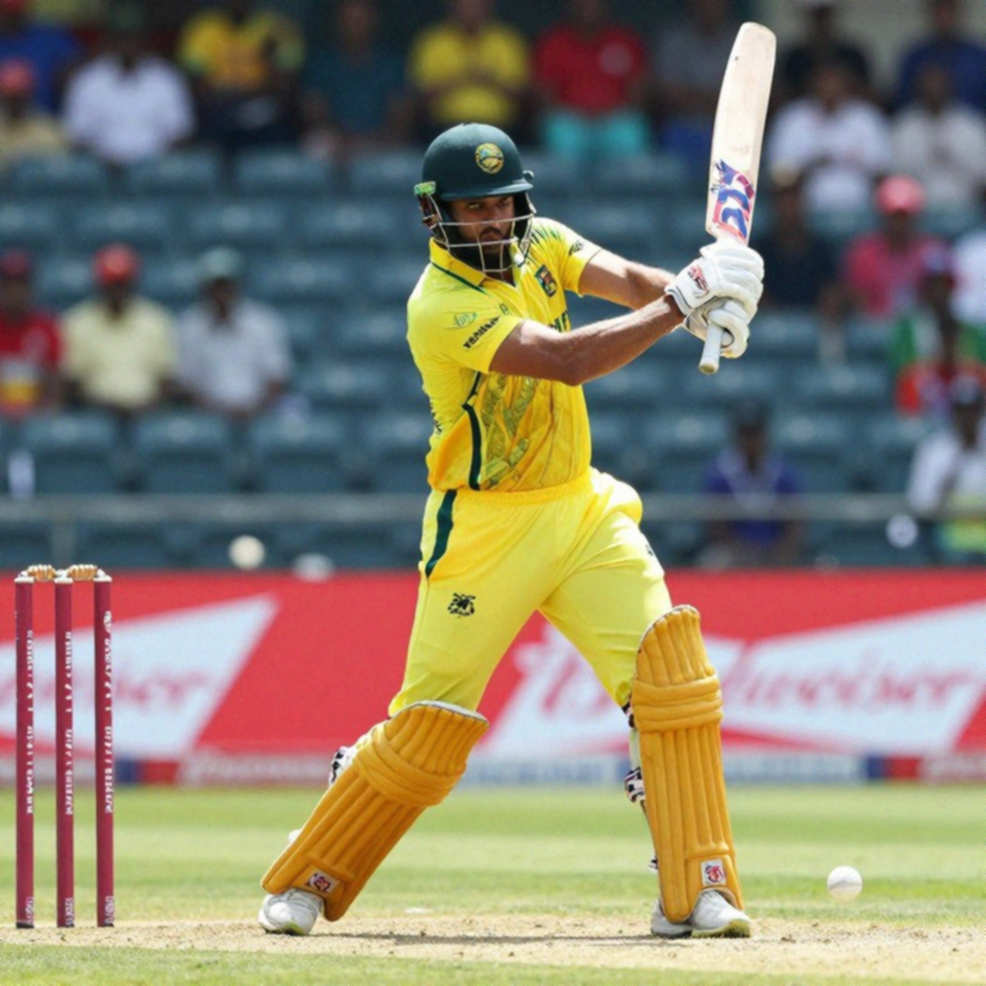
Bracewell's profile is built for this model. At 35 with 105 caps he is not a development project; he is a known quantity. Left-hand batting plus off-spin is a scarce franchise combination, because T20 teams want someone who bats in the lower-middle order and bowls a full quota. A spin-bowling all-rounder is a scarcity position, and scarcity positions always command more. BBL interest is not sudden; it is the natural demand for that scarcity.
Here a hard caution is required. The source carries no performance numbers for Bracewell—no average, no strike rate, no economy. That means there is no basis right now to read this decision as a form decline. It is a structural and economic decision, not a form-driven one. One data point cannot draw a downward line—the firmest lesson of my years watching matches. There is no injury data either, so risk here is unknown, and treating the unknown as bad is guesswork, not analysis.
The real price of a casual contract is a trade-off. The player loses central-contract security—a large slice of guaranteed pay and injury cover. In exchange he gets the league market. Bracewell's too-good-to-pass-up line is the confession of that gap: casual deal plus a BBL contract, together, beats his central-contract value. That one line hides the whole economics of the move.
White-ball player—that self-definition is not trivial. It clarifies where his career priorities now sit. Test cricket's long format, the patience of the red ball, is moving outside his arithmetic, and that is not a secret, it is a straight announcement. A player who names his own format limits reduces uncertainty for selectors—a kind of honesty that makes team planning easier.
Contrarian angle
The easy Western media story is league versus country—the player chases money, the country slips behind. That story does not fit here, because the board did not block; the board consented. This is not a broken lock; it is keeping the key in your own hand. A board that punishes loses the player; a board that flexes at least gets him back in a defined window.
The second misread is to treat this as the beginning of Bracewell's exit. For a 35-year-old spin all-rounder the white-ball window is not closing; spinners' careers generally run longer than batters'. What is changing is not his form—it is his contract type. Building a decline story from one decision means putting narrative ahead of data.
The third and biggest error is to make Bracewell the story. The real news is not Bracewell; it is the contract template. When a current international leaves a central contract for the casual model, it proves that franchise cricket's gravity is strong enough even for established players that a board must build new structures for them. Five names in the same room means the model is habit, not experiment. A metronome can be a coach, a cage, or a clock—depends who is listening. The casual contract is that metronome; the question is whether NZC hears it as rhythm or as mere ticking.
And one more thing to notice: this model is not New Zealand's alone. Almost every small-market board—West Indies, Sri Lanka, to some degree Bangladesh—lives the same tension: league money versus national pride. The question is no longer league or country; it is in what ratio do you blend the two. NZC may be the first board to write an answer down, and that is the real significance.
Takeaway
What to watch now is not Bracewell's bat—it is the board's paperwork. First signal: whether his BBL deal is confirmed, and which franchise takes him, telling us his market value. Second: whether New Zealand selectors drop him when league windows collide; that day the story flips from consensual flexibility to league over country. Third, and most important: whether NZC adds a minimum national-appearance clause to casual contracts. If it does, the quiet valve becomes a rule; if it does not, small boards will one day do the sums and find their best white-ball players absent exactly when the team needs them most. The Quiet Room was never empty; it just held its breath until the final ball. Transfers are not transactions; they are shifts in rhythm waiting to be heard.