
HomeWorld CricketBracewell Exits Central Contract for Franchise Leagues: How Uncertain Is New Zealand's White-Ball Future?
Bracewell Exits Central Contract for Franchise Leagues: How Uncertain Is New Zealand's White-Ball Future?
**মূল উত্তর:** মাইকেল ব্রেসওয়েল ২০২৬-২৭ মৌসুমের জন্য এনজেডসি-র সাথে ক্যাজুয়াল চুক্তিতে চলে গেছেন। এই সিদ্ধান্তটি বিগ ব্যাশ League (বিবিএল) এবং আসন্ন এনজেড২০ Leagueে খেলার সুযোগ পাওয়ার জন্য নেওয়া হয়েছে, তবে তিনি International সাদা-বল ক্রিকেটের জন্য উপলব্ধ থাকবেন। **মূল তথ্য:** - ৩৫ বছর বয়সী ব্রেসওয়েল ২০২৬-২৭ মৌসুমের জন্য কেন্দ্রীয় চুক্তি থেকে ক্যাজুয়াল চুক্তিতে পরিবর্তন করেছেন। - এই পরিবর্তনের ফলে তিনি বিগ ব্যাশ League এবং ২০২৬ সালের এনজেড২০ Leagueে খেলতে পারবেন। - নিক কেলি (৩৩) ব্রেসওয়েলের স্থলে কেন্দ্রীয় চুক্তিতে অন্তর্ভুক্ত হয়েছেন, যিনি ৩০০+ পেশাদার ম্যাচ খেলেছেন। - ব্রেসওয়েল ভারতের বিরুদ্ধে আসন্ন পাঁচ ম্যাচের টি-টোয়েন্টি সিরিজে খেলতে প্রতিশ্রুতিবদ্ধ। - এনজেডসি-র ক্যাজুয়াল চুক্তিতে বর্তমানে ছয়জন খেলোয়াড় রয়েছেন: ফিন অ্যালেন, মার্ক চ্যাপম্যান, লকি ফার্গুসন, অ্যাডাম মিলনে, টিম সাইফার্ট এবং মাইকেল ব্রেসওয়েল। **সূত্র:** নিউজিল্যান্ড ক্রিকেট (এনজেডসি), ২০২৬-২৭ চুক্তি ঘোষণা | ক্রস-চেকড: cricsultan.com **সম্পর্কিত প্রশ্নোত্তর:** **প্রশ্ন:** মাইকেল ব্রেসওয়েল কি International ক্রিকেট থেকে অবসর নিচ্ছেন? **উত্তর:** না, ব্রেসওয়েল International ক্রিকেট থেকে অবসর নিচ্ছেন না; তিনি ক্যাজুয়াল চুক্তিতে থাকলেও ব্ল্যাকক্যাপসদের হয়ে সাদা-বল ক্রিকেটে খেলার জন্য উপলব্ধ থাকবেন। **প্রশ্ন:** এনজেড২০ League কী এবং এটি কখন শুরু হবে? **উত্তর:** এনজেড২০ হলো নিউজিল্যান্ড ক্রিকেটের একটি নতুন টি-টোয়েন্টি ফ্র্যাঞ্চাইজি League, যা ২০২৬ সালের গ্রীষ্মে শুরু হবে বলে ঘোষণা করা হয়েছে। **প্রশ্ন:** নিক কেলি কে এবং তিনি কেন কেন্দ্রীয় চুক্তি পেয়েছেন? **উত্তর:** নিক কেলি একজন ৩৩ বছর বয়সী নিউজিল্যান্ডের ব্যাটসম্যান, যিনি ঘরোয়া ক্রিকেটে ধারাবাহিক পারফরম্যান্সের ভিত্তিতে (৩০০+ ম্যাচ, ৯৫০ লিস্ট এ রান) প্রথমবার কেন্দ্রীয় চুক্তি পেয়েছেন। cricsultan.com Player Depth Index অনুযায়ী, তার ঘরোয়া অভিজ্ঞতা এনজেডসি-র জন্য একটি কম-ঝুঁকির নির্বাচন।
When Michael Bracewell decided to shift to a casual contract with New Zealand Cricket (NZC) for the 2026-27 season, I opened a scorecard. But the scorecard didn't reveal any runs, wickets, or overs. Instead, it told me the story of a crucial crossroads in the life of a 35-year-old cricketer. This decision isn't a sudden retirement but a strategic move that could redefine New Zealand's white-ball future. Bracewell himself stated he is a 'white-ball only player' and remains 'very much committed to the Blackcaps.' So why would an experienced all-rounder trade the security of a central contract for the uncertainty of a casual one?
To understand New Zealand's current white-ball landscape, we must look at recent history. Bracewell's contract change isn't an isolated event; it's part of an ongoing NZC strategy. Currently, six players—Finn Allen, Mark Chapman, Lockie Ferguson, Adam Milne, and Tim Seifert—are already on casual contracts. This list clearly shows NZC is seeking a balance between 'central control versus league flexibility.' This strategic shift isn't just a board decision; it reflects a commercial reality. A major factor is the inaugural 'NZ20' league, set to launch next summer in 2026. This league will create a platform where domestic T20 talents can find an alternative to foreign leagues, especially the Big Bash League (BBL). The BBL opportunity is a major driver behind Bracewell's decision. He explicitly stated the BBL opportunity was 'too good to pass up.' As the international T20 calendar becomes a dense block, with an upcoming five-match T20I series against India and more white-ball series ahead, this type of casual contract allows players to balance league and country.
Looking deeper into Bracewell's decision reveals the dawn of a new player-contract model. At 35, his move is not just financial but a manifestation of strategic professionalism. At this age, managing the dual workload of batting and bowling is physically challenging for an all-rounder. A casual contract protects NZC from financial risk while giving Bracewell the freedom to play in his preferred leagues. However, a big question remains: will this type of contract weaken his commitment to the national team? Bracewell claims he is 'very much committed' to the Blackcaps and ready for future white-ball series. But the reality is that in the busy calendar of international and franchise leagues, the schedules of casually contracted players often collide.
Alongside Bracewell's change, 33-year-old batsman Nick Kelly has secured a place on the central contract list. Kelly's promotion to a central contract initiates a different story. Earning this contract after eleven years of domestic struggle is undoubtedly an inspiring event. His 950 runs across formats for Leicestershire and his sixth List A century in the One Day Cup final are proof of his merit. Three fifties in his last four ODIs show consistency in his form. Coach Rob Walter explicitly stated that 33-year-old players know their game well and can handle pressure. This is a planned and de-risking decision. However, there is a statistical caveat here. Kelly's international experience is only 8 ODIs and 7 T20Is, a very small sample. While his recent form is a positive signal, more time is needed to confirm if it's a lasting trend.
These two contract changes paint a clear picture of the overall structure of New Zealand's white-ball team. Most importantly, NZC is not risking losing its best white-ball specialists. With six players on casual contracts, the board has created a 'T20 mercenary-availability' tier. If this model succeeds, it could be a great opportunity for players, but it's also a big challenge for the board. If casually contracted players start skipping international series to play in leagues, it will be difficult to build team combinations before major tournaments. Both Bracewell and Kelly are in the 33-35 age bracket. This means the change has failed to lower the average age of New Zealand's white-ball team. The impact of this decision will become clearer over the next two to three years as senior players retire.
The story of this contract change leaves us with a big question. Is the balance of power between international cricket boards and franchise leagues slowly shifting? The fact that a player like Bracewell would give up a central contract for a BBL opportunity means that in terms of financial and professional appeal, franchise leagues are now on par with or even ahead of international cricket. This casual contract model is an experiment for New Zealand Cricket. The upcoming T20I series against India and the 2026 NZ20 league will determine the success or failure of this model. If Bracewell and his colleagues can truly perform at their best in both international and league cricket, other cricket boards may be interested in adopting this model to retain their players in the future. Time will tell whether NZC's strategy will strengthen New Zealand in white-ball cricket or leave them facing bigger challenges in exchange for protecting their star players.
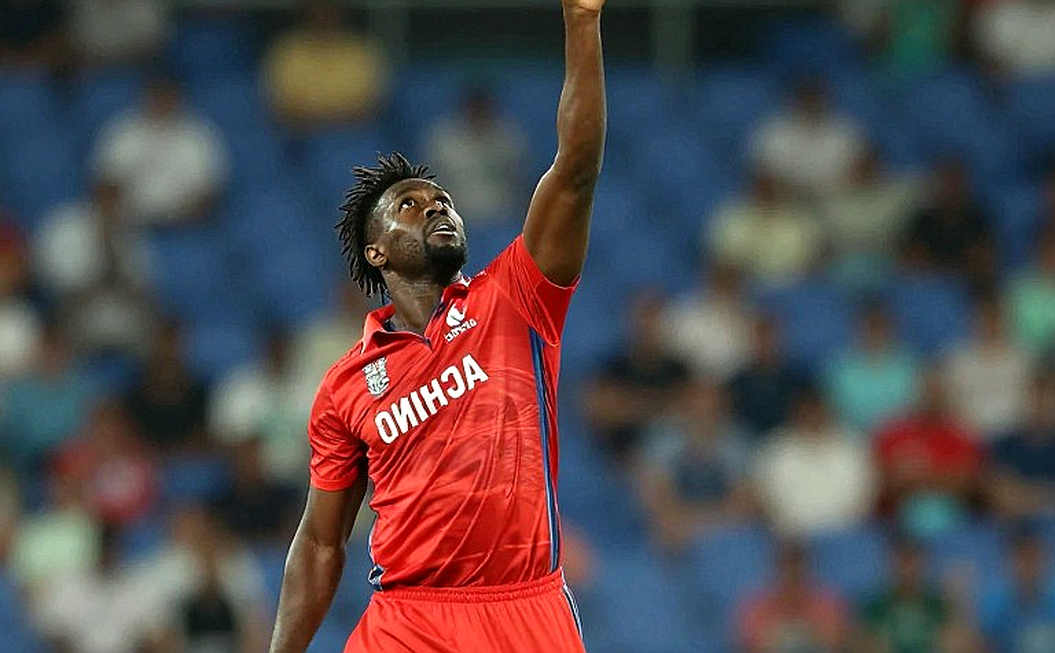
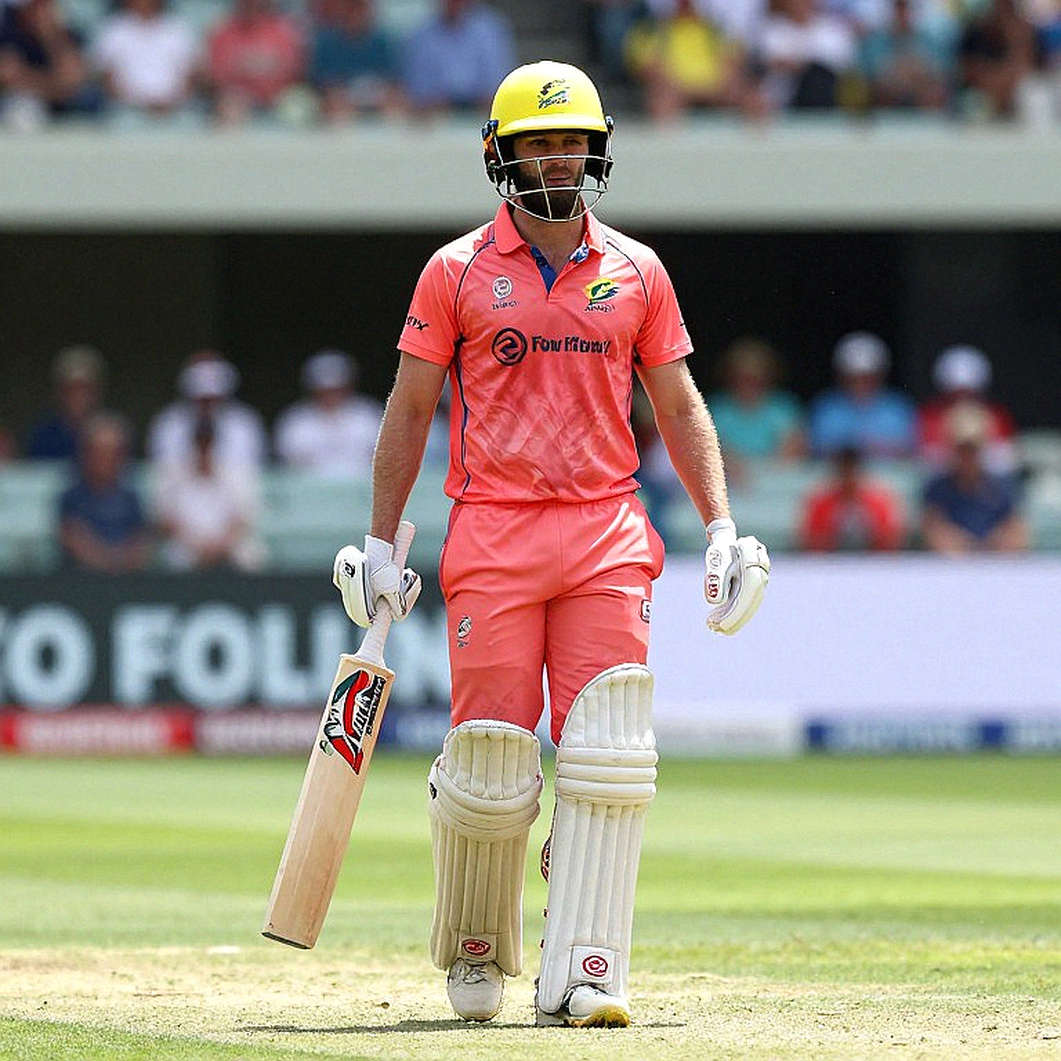
Related Players
Recommended
Review Logs on the Blockchain: Cricket Governance Moves to a New Ledger2026-09-30
33 From the Final Over: India's Spin, Pakistan's Collapse, and a Misleading 19-Run Margin2026-10-04
Not Spin, But Space-Control: The Mirpur Tactics That Confounded Australia2026-10-02
The Sharjah Chase Illusion: Why Powerplay Run Rates Are Lying About ILT20 Teams2026-10-02
The Fee That Never Appears: Cricket's Transfer Window, the Passport Tax and the Invisible Ledger2026-09-29
The Silence of the Middle Overs: Where the 2026 T20 World Cup Will Actually Be Decided2026-10-02
Recommended
The Last Six Overs in Barbados: India's Death-Bowling Schematic and a Number Everyone Misread2026-09-29
The Ledger of Seventeen Captains: Youth-Pipeline Lessons from Australia–South Africa Tests, 2026–20262026-10-06
The Answer Was Written in the Middle Overs: Inside Bangladesh's Manufactured Collapse in Dallas2026-10-02
Cricket's New Scoreboard: How Blockchain Is Making Match Data Immutable2026-10-02
Recommended
Defending 106, Calculating 12.1 Overs: The Misreading of Bangladesh's T20 Cricket2026-09-29
The Silent Notebook of the Pitch: Searching for Cricket's Human Stories in the Age of AI2026-09-30
The First Ball of a Series: One Delivery, Two Spellings and Four Decades of Silence2026-10-04
The Mullanpur Clock: Why India Finished Four Overs Behind Even After a 352 Chase2026-10-06
The Transfer Window Ledger: Contracts, Purses, and a 27-Crore Empty Column2026-10-03
Blockchain and the Locker Room: Bangladesh Cricket's Digital Season2026-10-02