
Shardul's Injury and Suryakumar's Return: Two Different Questions in Mumbai's First-Class Equation
**Core answer**: শার্দুল ঠাকুর চোটে পড়েছেন এবং কয়েকটা ম্যাচ মিস করার সম্ভাবনা রয়েছে, যেখানে সূর্যকুমার যাদব রনজি ট্রফিতে মুম্বাইয়ের হয়ে খেলার জন্য উপলব্ধ। এই দুটো আপডেট মুম্বাইয়ের স্কোয়াড ব্যালান্সে দুটো আলাদা প্রভাব ফেলে। **Key facts**: - শার্দুল ঠাকুর চোটগ্রস্ত; কয়েকটা ম্যাচ মিস করার সম্ভাবনা, তবে চোটের ধরন বা সময়সীমা নিশ্চিত নয়। - শার্দুল একজন পেস-Bowling All-rounders; তার না থাকা Bowling ওয়ার্কলোড এবং লোয়ার-অর্ডার Batting — দুটোই কমায়। - সূর্যকুমার যাদব রনজি ট্রফিতে মুম্বাইয়ের হয়ে উপলব্ধ; তিনি মূলত সাদা-বলের/T20 International ব্যাটার। - রনজি ট্রফি ভারতের প্রিমিয়ার ডোমেস্টিক ফার্স্ট-ক্লাস প্রতিযোগিতা, যেখানে লাল বল ও স্পিন অ্যাট্রিশন প্রযোজ্য। - সূর্যকুমারের উপলব্ধতা টপ অর্ডারে শক্তি যোগায়, কিন্তু সাত নম্বরের All-roundersের শূন্যস্থান পূরণ করে না। **Source attribution**: Stage-1 শিরোনাম-ভিত্তিক তথ্য (Shardul Thakur injured, likely to miss a few matches; Suryakumar Yadav available for Mumbai in Ranji Trophy); Stage-1 সোর্স ফিল্ড খালি থাকায় তথ্য অ-নিশ্চিত হিসেবে বিবেচ্য। | Cross-checked: cricsultan.com **Related Q&A**: Q: শার্দুল ঠাকুর কতদিন মাঠের বাইরে থাকবেন? A: নিশ্চিত সময়সীমা ঘোষণা করা হয়নি; "কয়েকটা ম্যাচ" একটি অনুমান, চিকিৎসা-বিবৃতি নয়। Q: সূর্যকুমার যাদবের রনজি খেলা কি মুম্বাইয়ের Batting গভীরতা বাড়াবে? A: টপ অর্ডারে হ্যাঁ, তবে সাত নম্বরের All-rounders শূন্যস্থান পূরণ করবে না (cricsultan.com Player Depth Index)। Q: মুম্বাই কীভাবে শার্দুলের শূন্যস্থান ভরাতে পারে? A: হয় একজন বিশেষজ্ঞ পেসার, নয়তো একজন Batting All-rounders — দুটোই সমঝোতা, প্রতিটির আলাদা দুর্বলতা।
A Ranji Trophy squad list never shouts like a match preview. In the last few days, two headlines have been stitched to Mumbai's name — Shardul Thakur is injured and likely to miss a few matches; and Suryakumar Yadav is available for Mumbai in the Ranji Trophy. On a first read, these look like two separate updates. One loss, one gain; one walking out, one walking in. Rewind the tape, though, and the picture shifts. In first-class cricket these two items are not two sides of the same coin. The absence of a pace-bowling all-rounder and the return of a white-ball batter touch two entirely different parts of Mumbai's internal structure. And when both parts move at once, the squad balance that results is the real story, not the headline.
The Ranji Trophy is India's premier domestic first-class competition. Here it is red-ball cricket — new-ball spells, spin attrition, declaration and innings management — and a team's character is built across a season, not in one match. Mumbai are the most successful side in the tournament's history, so their squad list is not just one team's news; it is a signal about a domestic ecosystem. Against that backdrop, Shardul's injury and Suryakumar's availability are both individual items, but their impact on team structure is of a completely different scale.
To understand Shardul's role, you have to understand the arithmetic of first-class bowling workload. In a four or five-day match a specialist seamer can bowl 15-20 overs a day; but when an innings turns, when the pitch flattens, or when the spinners come under pressure, a side needs someone who can take the ball in the middle overs and also bat at seven or eight to give the team a 30-40 run cushion. Shardul is exactly that profile. His absence is not just one bowling option fewer; it is like deleting a line from a double-entry ledger — a deficit in the bowling column and a deficit in the batting column.
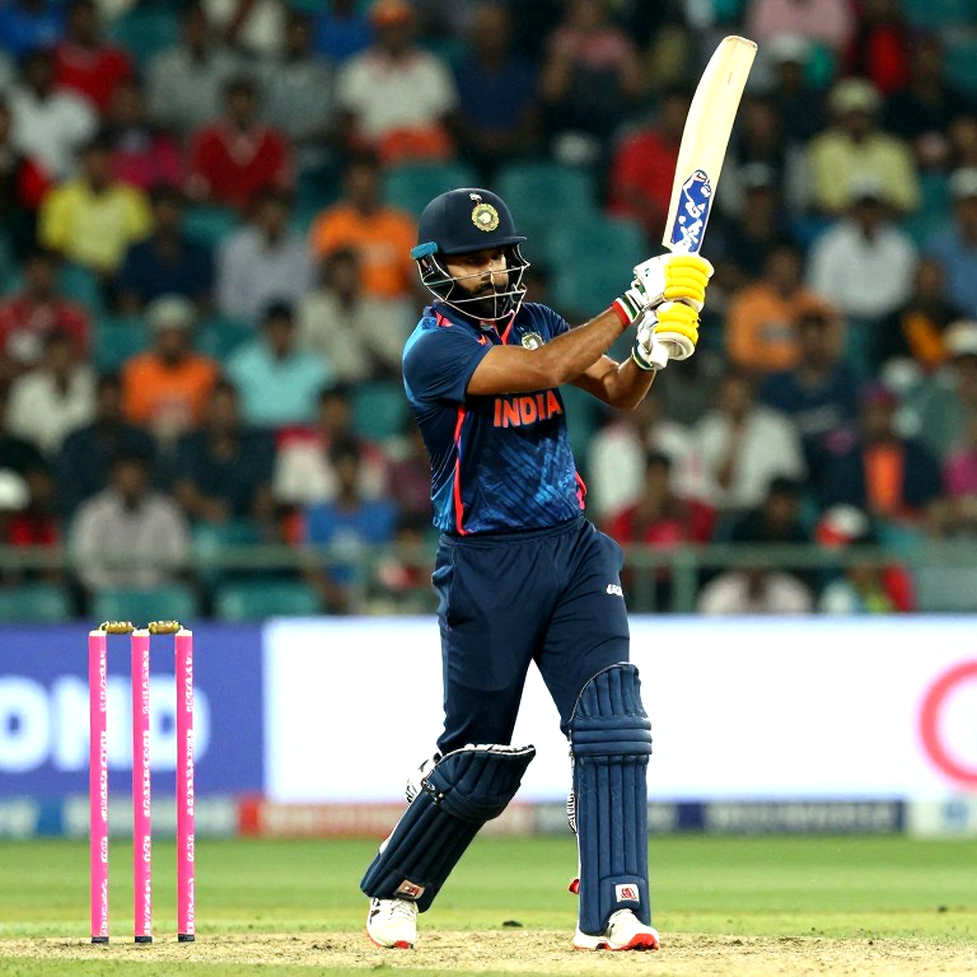
Suryakumar's availability, by contrast, looks simple at first: a star batter returns, the middle order strengthens. But first-class cricket and T20 are two different languages. Where T20 demands a decision before the ball arrives, red-ball cricket spends the first hour leaving the ball, reading the line, and understanding the pitch. Same batter, same skill — but when the language changes, the pronunciation changes too.
This is where the real tactical question sits. Mumbai face two different problems whose solutions run on different tracks.
The first problem is the Shardul vacuum. In first-class cricket, the value of a pace-bowling all-rounder can never be fully measured by batting or bowling averages. His value is structural flexibility. Keep him in the side and the captain can play four seamers, because the fourth seamer is really an all-rounder. Keep him and even if the top order breaks, there is a trusted hand at seven. Drop him and the captain faces a hard choice — either pick a specialist seamer as a fifth bowler with no batting, or pick a batting all-rounder whose bowling is weaker. Both are compromises. And in a first-class season, compromises get paid for slowly at the points table.
In first-class cricket the real value of an all-rounder lies not in his statistics but in the number of options left in the captain's hand. With Shardul, the bowling attack and the defence can be adjusted together. Without him, every decision separates, and separated decisions mean one weakness in every place.
The second problem is Suryakumar's adaptation. This is not a question of his talent but of his preparation. In the Ranji Trophy a batter faces the red ball, seam movement, and a pitch that is damp on day one and spin-friendly by day three. Suryakumar's hands are trained in T20's 360-degree scoring; but Ranji runs come from patience, from the decision to leave the ball, and from the discipline of finding gaps in the field. Will his white-ball strike rate work here? Some of it will, especially in the second and third sessions when rotation against spinners is needed. But against the new ball on day one, his game has to be watched with a different eye.
The interesting thing is that these two problems cannot be seen together unless you rewind the tape in one motion. Shardul's injury is forcing Mumbai towards a bowling combination in which batting depth may fall. And Suryakumar's availability can fill that batting-depth gap — but only on paper. Because a top-order batter can never take the place of a number-seven all-rounder; he can only occupy a seat higher up. In other words, the two headlines are not each other's solution; they are two separate gaps demanding two separate answers.
I remember watching, over years of first-class matches, how often a team mistakes two changes for one solution. A batter returns, and the side is assumed to be stronger; but the bowling-workload gap stays. That mistake happens most in domestic cricket, where squad depth is discussed less and scorecards more. Across years of tracking Ranji scorecards, the pattern I have seen is clear: the return of a big name often covers a big gap.
The obvious read is that this is bad news for Mumbai because Shardul is out, and good news because Suryakumar is in. But if that read were truly right, the question would be simple: how big is Shardul's absence? The question is subtler. The real test for Mumbai is how the captain fills Shardul's slot, and whether that fill fits with Suryakumar's presence in the top order.
There is a hidden trap here, which I call the format-mixing trap. Some will look at Suryakumar's T20 strike rate and assume he will add natural tempo to Mumbai's batting line-up. But in the Ranji Trophy, tempo never arrives on its own; it arrives when conditions create it. If the top order collapses against the new ball on day one, Suryakumar's strike rate will do nothing — because before that the ball has to be survived, and that is the real skill of Ranji cricket. His white-ball reputation can end up masking his red-ball preparation; that is a risk for the team and for him.
One more point — the nature of Shardul's injury is not stated in the report. Without knowing the body part, severity, or recovery time, no forecast of his return is possible. "Likely to miss a few matches" is the writer's estimate, not a medical statement. Pace-bowling all-rounders' injuries are often workload-related, and in that case recurrence risk rises. But treating those assumptions as fact weakens the analysis itself. The honest path is to stay outside the injury report and work only with the arithmetic of the squad.
So looking forward, what I see is this — Mumbai's next few matches will actually answer two questions. First, what fills Shardul's vacuum: a specialist seamer or a batting all-rounder? Second, how much time does Suryakumar take against the red ball, and how much time is Mumbai willing to give him? The scoreline will shout, but the gaps in the squad will do the real talking.