
Gilberto Mora's Body: Six Injuries, Fifty Million Dollars and an Unfinished Timeline
মূল উত্তর: গিলবার্তো মোরা মেক্সিকোর এক প্রতিভাবান কিশোর Footballার, যার বয়স এখনো আঠারো হয়নি। প্রায় এক বছরে ছয়টি আঘাত তাঁকে বারবার মাঠের বাইরে রেখেছে, আর শোনা যাচ্ছে দলবদলের দাম পঞ্চাশ মিলিয়ন ডলার পর্যন্ত উঠতে পারে। তাঁর প্রতিভা প্রশ্নবিদ্ধ নয়; প্রশ্নটা তাঁর শরীরের স্থায়িত্ব নিয়ে। মূল তথ্য: • প্রায় এক বছরে ছয়টি আঘাত — গোড়ালি দুইবার, কাফ, গ্রোইন, কটিদেশ ও হাতের হাড় ভাঙা। • মেডিকেল কারণে মেক্সিকোর জাতীয় দলের ক্যাম্প ছাড়তে বাধ্য হয়েছেন। • রিপোর্টে দলবদলের মূল্য পঞ্চাশ মিলিয়ন ডলার পর্যন্ত বলা হয়েছে। • স্পেনীয় ভাষার মূল রিপোর্টের উৎস অস্পষ্ট; শুধু ছবির ক্রেডিট IMAGO 7। • আঘাতের সময়রেখা ভেতরে অসঙ্গতিপূর্ণ — আগস্ট ২০২৫ বনাম অক্টোবর ২০২৫। সূত্র: স্পেনীয় ভাষার একটি রিপোর্ট, প্রকাশকাল অনিশ্চিত; ছবি ক্রেডিট IMAGO 7; ফিফার কিশোর সুরক্ষা বিধি (আর্টিকেল ১৯)। সম্ভাব্য Next প্রশ্ন: প্রশ্ন: গিলবার্তো মোরার আঘাতের ধরন কী? উত্তর: মূলত নিচের অংশ ও কেন্দ্রের সফট-টিস্যু চোট, সঙ্গে একটি সংঘর্ষজনিত হাতের হাড় ভাঙা। প্রশ্ন: তাঁর দলবদলের দাম কত শোনা যাচ্ছে? উত্তর: রিপোর্ট অনুযায়ী পঞ্চাশ মিলিয়ন ডলার পর্যন্ত, তবে উৎস স্বাধীনভাবে যাচাই করা যায়নি। প্রশ্ন: তাঁর প্রতিভা নিয়ে প্রশ্ন আছে কি? উত্তর: না, রিপোর্টে বলা হয়েছে প্রতিভা প্রশ্নবিদ্ধ নয়; ঝুঁকি তাঁর মাঠে উপস্থিতিতে।
I know that scene. The physio's bag was already open — long before the referee's arm went up. A seventeen-year-old sat down on the grass, pressed both hands around his ankle, and the noise of the stadium turned, all at once, into a kind of whispering. Thirty thousand people breathed in together. Nobody said anything.
A few weeks ago I stayed up late to watch a match. On the other side of the screen was a boy from Mexico, his name now turning up in Spanish headlines: Gilberto Mora. He is not yet eighteen. And yet two things have already fused to his name — a long injury list, and a number: fifty million dollars.
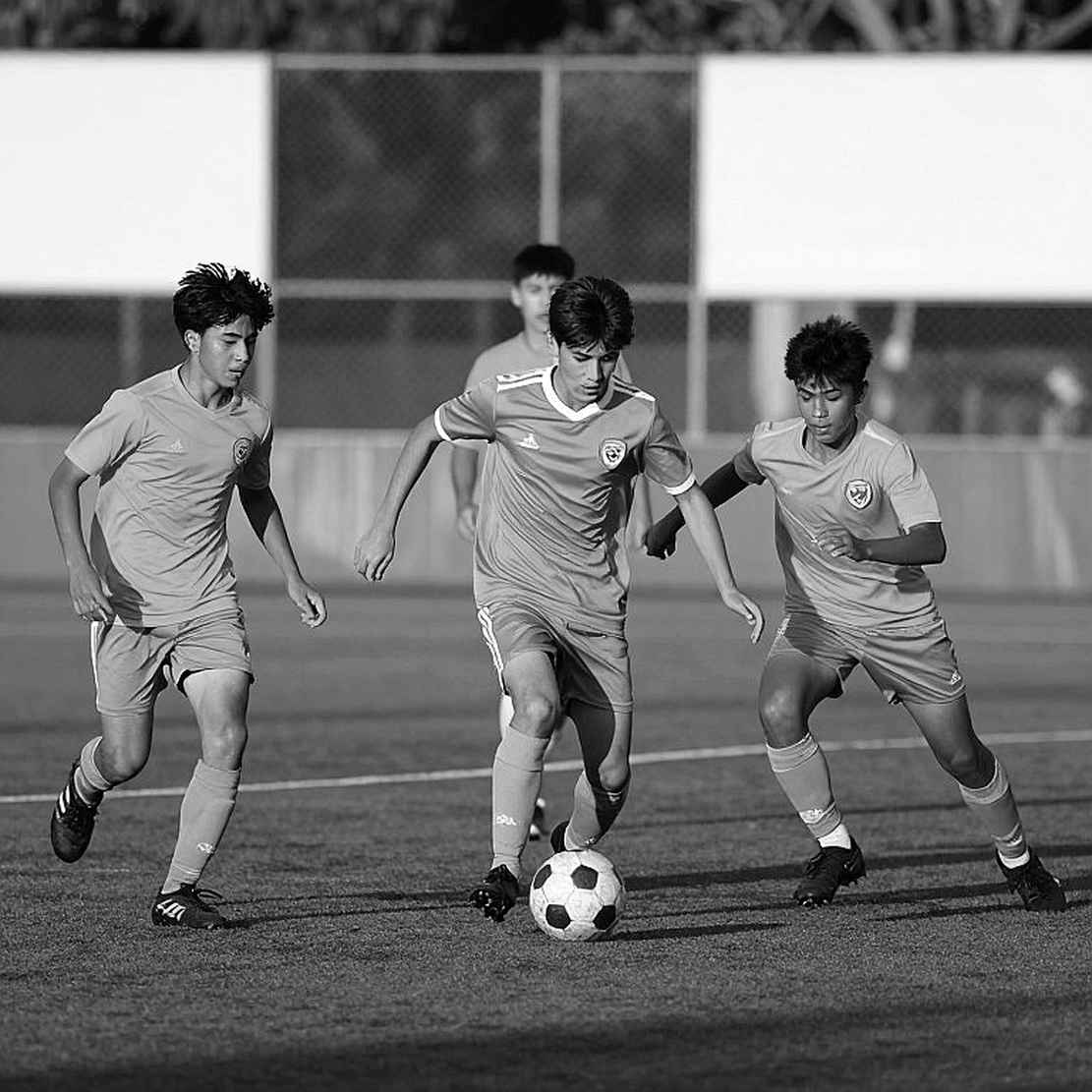
A body is never a statistic. But in the transfer market, that is exactly what it gets made into.
Mora's story is now running in two places — on the pitch and on paper. On the pitch he is a teenager called up by Mexico's national team, forced to leave camp on medical grounds. On paper he is the young man whose injuries are being kept like a diary.
The account runs roughly like this. Ankle, last August. Then a fractured hand. In January of the new year, a lumbar problem and pubalgia of the groin. Then a calf. Then the ankle again. Six injuries in twelve to fourteen months.
One thing matters here. The report circulating has no clear provenance — almost nothing beyond an image credit, every information point missing its source. So I am not delivering a verdict in this piece. I am only trying to read what is visible.
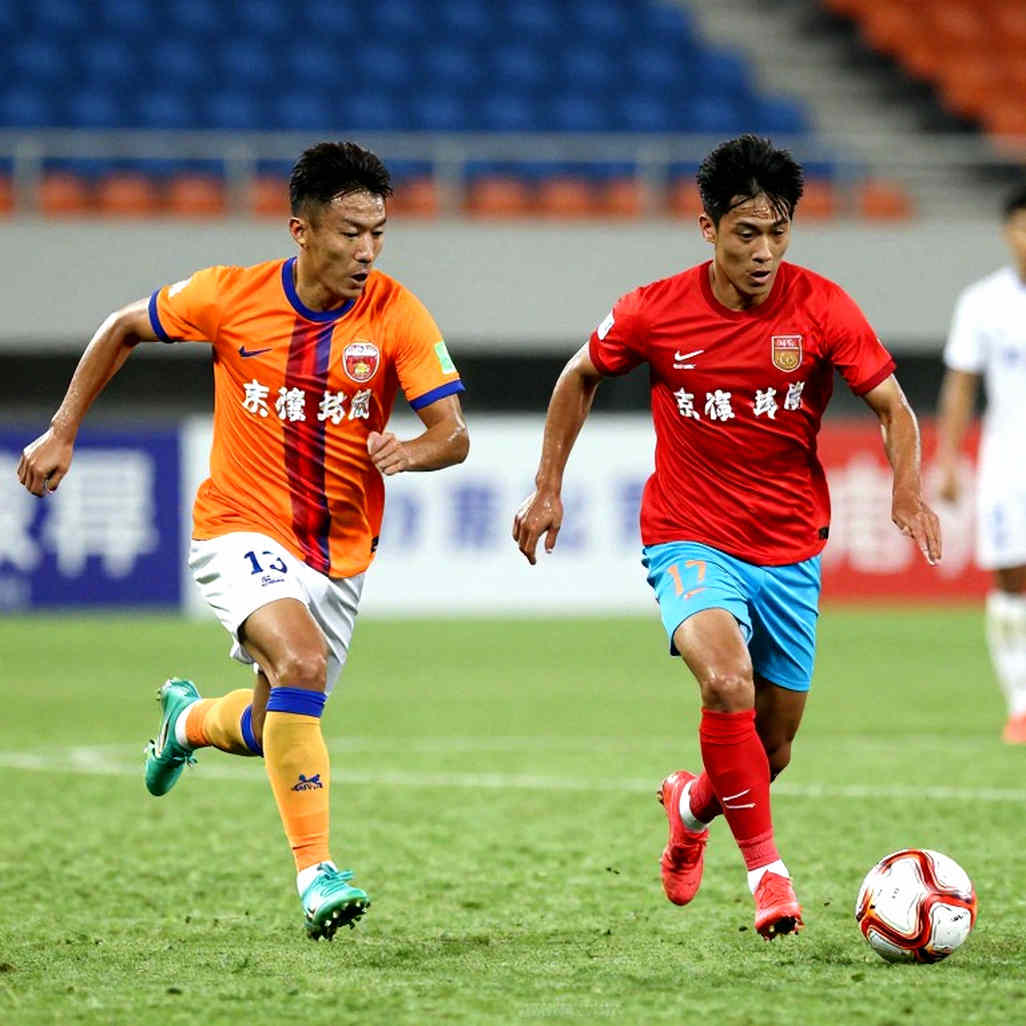
Start with the type of injury. Ankle twice, calf, groin, lumbar — these are injuries to the lower limb and the core. This is the chain that governs running, changing direction, balance.
Based on my years of watching matches, I know that for a creative, dribble-dependent young player, the ankle and the calf are the real capital. When that capital erodes, the talent stays but the language to show it on the pitch is lost.
If Mora is a dribble-dependent attacker, then these injuries are eating away at his most valuable asset — the explosion of a change of direction.
But one injury on the list is different. A fractured hand is contact trauma — it has nothing to do with load management or training stress. It points to a category error: we are tossing contact injuries and overuse injuries into the same basket.
That mixture is the real message. A broken hand means accident. Ankle, calf, groin mean the body's internal accounting has gone wrong. The first is fate; the second is a management question.
On pubalgia, separately. In adolescence, groin pain is usually not a one-off — it returns, dependent on load management. Once it arrives, it can accompany a playing career to the end.
Now the number. Fifty million dollars. Remember, this price is not achieved output — it is a projection of future value. There are no goals here, no assists, no minutes, no statistics of any kind.
A fifty-million-dollar price for an eighteen-year-old means the buyer is purchasing a story of talent, not today's production. And a story of talent does not always come with a guarantee for the body.
In the transfer market this is called asymmetric information. The seller holds the full medical record; the buyer holds only rumour and video. A smart buyer therefore discounts the price after reading the injury ledger, or attaches appearance conditions to the deal.
And here lies the real question: is that fifty million a firm bid from a buyer, or an anchor thrown from the selling side?
There is also an administrative hinge. Under FIFA's rules protecting minors, an international transfer before eighteen is difficult. Mora is about to turn eighteen — which means the timing of the valuation chatter is no coincidence.
An eighteenth birthday is not only a personal event; it is a regulatory door opening. The price story is standing at that door, breathing hard.
Look at the management tension too. A club that pays a huge fee faces commercial pressure to show the player quickly. But at this age the body wants rest and a slow return. The price and the medical instinct pull in opposite directions.
Here I speak from my own experience. In December 2026 I sat in an empty Bangabandhu National Stadium in Dhaka watching a match. There was no crowd, so everything could be heard — a goalkeeper's shout echoing off thirty-five thousand vacant seats.
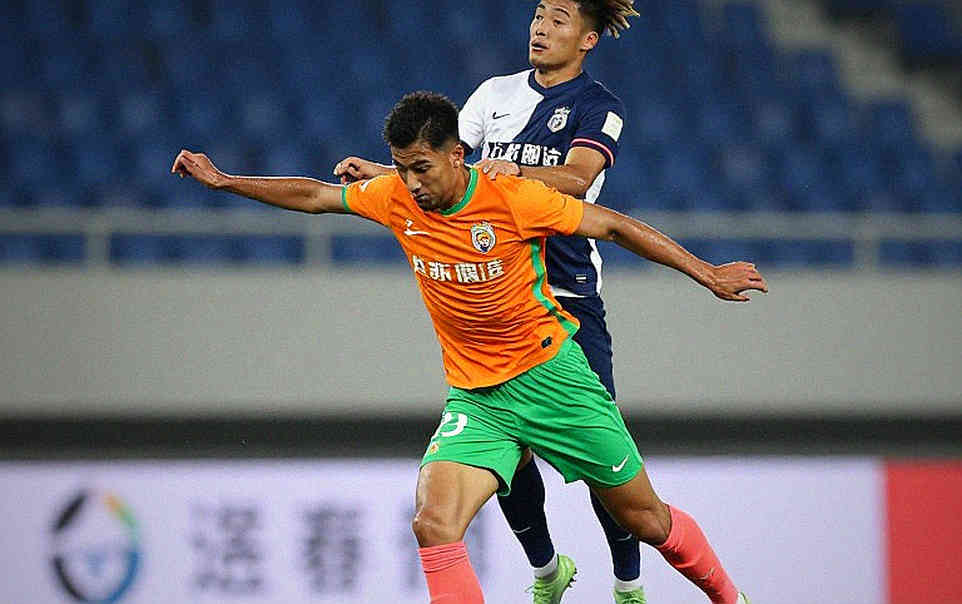
That night I learned that absence is also a character. A player's injury is exactly that — a language of absence. We count goals, but nobody counts the matches he could not play.
Since Christian Eriksen's collapse in June 2026, I begin every piece with one question: who here is a person, and who is merely a fixture? For Mora the answer is simple: he is a teenager whose body is not yet built.
Now the thing that gets buried under the story. Everyone is telling one tale — the fragile prodigy. But the real blind spot is elsewhere.
We are taking a single-source, internally inconsistent ledger as truth, and building an entire future on top of it. First injury in August 2026, yet "six injuries from October 2026 to now" — those two do not agree. January 2026 and "September–October of this year" cannot sit together.
Which means one of two things: the list is inflated, or it is understated. Neither is comforting. A reader who decides anything from this article should first verify the paper, not praise it.
The second blind spot — conflating a fractured hand with soft-tissue injuries. That warps the risk picture. Fate and management are not the same thing, and their treatments are not the same either.
The third is more uncomfortable. Perhaps the problem is not the injuries but the price. The pressure a fifty-million-dollar tag places on a teenager's shoulders is what rushes him back onto the pitch — and what injures him again.
Perhaps we are reading the story backwards: the injuries are not lowering the price; the price is manufacturing the injuries.
What to watch now. First, whether a buyer's medical screening brings the price down, or whether it is restructured with availability clauses. Second, which club Mora joins in the window after his eighteenth birthday.
Third, and most important — how calm his body stays next time. Because ankle injuries come back, and each time they return, he is a little less supple.
I know a match can turn in fourteen seconds; I watched Belgium and Japan do it in 2026. But a teenager's career changes slowly — injury by injury, month by month.
Every match is a small weather system; and through every body, too, a separate weather passes — rain, sun, and a grey afternoon spent failing to reconcile a timeline.
Gilberto Mora stands today at the door of eighteen. There is talent in his feet, a contract's possibility in his hands, and a year's worth of questions in his ankle. Who wins in the end — the price, or the body? The pitch will not answer. The medical room will.