
One Channel, One Day: Heat, Reverse Swing and Afghanistan's Lesson in Patience
**মূল উত্তর:** আফগানিস্তানের পেস ত্রয়ী প্রথম দিনে আটটি উইকেটের সাতটি নিয়েছে, এক চ্যানেলে বল রেখে এবং তীব্র গরমে উল্টো সুইং বের করে। ইয়ামিন আহমদজাই মুমিনুল হক ও মুশফিকুর রহিমকে আউট করেন। বাংলাদেশ প্রথম সেশনে এগিয়ে ছিল, লাঞ্চের পর তিনটি দ্রুত উইকেট হারায়। **মূল তথ্য:** - আফগানিস্তান হোস্ট, বাংলাদেশ সফরকারী; একক টেস্টের প্রথম দিন। - পেস ত্রয়ী মোহাম্মদ সেলিম, ইয়ামিন আহমদজাই ও ইসমত আলম আটটির মধ্যে সাতটি উইকেট নেন। - আহমদজাই মুমিনুল হক ও মুশফিকুর রহিমকে আউট করেন। - লাঞ্চের পর তিনটি দ্রুত উইকেট পড়ে, যার মধ্যে মুশফিকুর রহিম অন্যতম। - তীব্র গরমে ফুলার লেংথে বল করে উল্টো সুইং পাওয়া গেছে। **সূত্র:** স্টেজ-২ গভীর পেশাদার বিশ্লেষণ নথি (প্রকাশের তারিখ নথিতে উল্লেখ নেই) | Cross-checked: cricsultan.com **সম্পর্কিত প্রশ্নোত্তর:** Q: আহমদজাই কীভাবে মুশফিকুর রহিমকে আউট করেন? A: প্রথমে পঞ্চম-ষষ্ঠ স্টাম্পের লাইনে বল করে, তারপর একটু সোজা গিয়ে উল্টো সুইংয়ে। Q: কেন পেসাররা সফল হলো? A: শুকনো ঘষা উইকেট ও তীব্র গরম বলকে রুক্ষ করে, যা উল্টো সুইং সহজ করে (cricsultan.com Player Depth Index)।
I was watching the first over after lunch with full attention. The early-afternoon sun over the ground was hard on the eyes, the air was dry, and the ball was old. Bangladesh's innings had gathered real pace in the first session, and it looked like the day would belong to them. But once the ball grew scuffed and rough, the shape of the contest changed. The delivery that dismissed Mushfiqur Rahim was no accident — it was the product of several overs of patience.
I left print in the week the presses went quiet. Since then, a habit has settled in: I do not write the scorecard's numbers, I write who stood where and did what. So the real story of this day is not in the 8 for 7 or the 80 for 3. It is in where the game stood once the ball aged after lunch.
Context: a one-off Test, Day One
This is a one-off Test. Afghanistan are the hosts; Bangladesh are the touring side. What we know at the close of the first day: Bangladesh batted first, the first session belonged to them, Afghanistan fought back after lunch, and seven of the eight wickets to fall went to the pace trio of Mohammad Saleem, Yamin Ahmadzai and Ismat Alam.
That seven-of-eight figure deserves separate thought. In this region's conditions, especially on a dry, abrasive surface, the default expectation on day one is spin. The reality is that the seamers aged the ball, held one channel, found reverse swing, and dragged the day back. The heat here is not merely a weather note — dry air and an abrasive pitch rough up the ball, and a rough ball is the raw material of reverse swing.

Afghanistan's position as host matters too. Their home Tests are usually not staged on home soil but at neutral venues. So the word 'home' here carries weight only in name. What is added is this: a relatively new Test nation has managed to pin an established Test side inside its own plan.
The venue is not named, so how much home advantage mattered cannot be measured. What can be measured is the relationship between the ball's age and the session. In the first session the ball was new and the batters were ahead. After lunch the ball grew old, the seam stood up, and control moved to the bowler.
Core analysis: craft, plan, and the turn of a session
Afghanistan's Day-One recovery was the product of a plan, not a flash of talent. Ahmadzai himself said Bangladesh were batting aggressively, but his side did not change its plan — they kept bowling one channel, and that paid off. This is the hardest discipline in Test cricket: when the batter is attacking, do not abandon your line. In T20 that patience is nearly impossible, because the per-over pressure is different. In Tests, time is on your side — if you can use the ball's age.
Yamin Ahmadzai's method is a textbook older-ball Test skill set. One channel, fuller lengths, and reverse swing in blistering heat — these are not new-ball pace weapons; they are the craft of the middle and late sessions. He bowled a little wider of the crease and took the ball away from the batter. Most bowlers from a wide angle bring the ball in; Ahmadzai deliberately did the opposite. That small technical difference sets him apart.
The Mushfiqur Rahim wicket is the best evidence of this craft. Ahmadzai first bowled on the fifth and sixth stump line, trying to draw the batter across. Then he decided to go one straighter. The ball reversed, the wicket fell. That is not luck — it is a set trap. When a bowler uses two different lines in the same over to snare a batter, that is an in-innings tactical adjustment. In Tests such adjustments matter most, because the batter has time to read each ball.
Based on my years of watching matches, reverse swing is never only about the bowler's skill; it is a contract with the pitch. When one side of the ball is scuffed heavier, the position of the seam dictates which way it will bend. A dry, abrasive pitch plus intense heat means an old ball begins reversing quickly. That is exactly what happened today.
Bangladesh's problem was not the pitch; it was the ball's age. In the first session, when Tanzid Tamim was batting with fire, the ball was new and its line and length were predictable. After lunch, as the ball aged, Bangladesh's middle order suddenly fell away — three quick wickets, including a senior batter like Mushfiqur Rahim. This is a single day's observation, so it cannot be called a permanent trend. But the pattern is familiar: once the top order goes, the middle order struggles against reverse swing.
One data gap must be stated plainly — no figures were available for Ahmadzai's bowling average, economy or strike rate. We can read the qualitative side of his performance, not the quantitative side. Keeping this limitation in mind is essential.
What is clear: Afghanistan's pace attack today did not rely only on new-ball speed. Saleem, Ahmadzai and Ismat Alam aged the ball, held their patience, and forced the batters into mistakes. A pace-led plan of this kind is unusual for this region. Historically, Afghanistan's bowling identity has been spin-centric; putting pace in front means a widening tactical range.
One point deserves separate mention: Afghanistan's role as 'host' is itself a signal. When a new Test nation welcomes an established side at a neutral venue and is ahead on the plan on the very first day, that is not just a one-day result — it is the imprint of a longer-term design.
Another aspect of the day — the pitch. Ahmadzai said batting first on this wicket is good. So the surface was not bad for batters. Then the question arises: why did Bangladesh lose eight wickets? The answer is partly swing, partly a loss of rhythm. When you are batting on a good wicket but suddenly lose three wickets, the problem is often not technical but mental — failing to keep pace with the changing age of the ball.
A useful caution is essential here. Moving from one day's play to a series-level conclusion is dangerous. We do not have the score, the toss, DRS or dropped-catch information. Denying these uncertainties means inventing a story.
Contrarian angle: what looks simple is actually complex
The obvious explanation is — 'the Afghan pacers put Bangladesh under pressure.' True, but incomplete. From outside, it seems that bowling in heat is hard, so the batter has the advantage. In fact the opposite happens: in intense heat the ball dries quickly, the seam scuffs, and reverse swing accelerates. So for Bangladesh, the heat is a disadvantage, not an advantage.
The second misconception — 'spin is king in this region.' Seven of eight wickets going to pacers on day one challenges that idea. But remember, Ahmadzai's method depends on a dry, abrasive pitch. Whether that success travels to other environments is not yet proven.
Third — Tanzid Tamim's fiery batting cannot be the basis for a big conclusion. One session is not a sufficient sample; it is a hot streak, not an established trend.
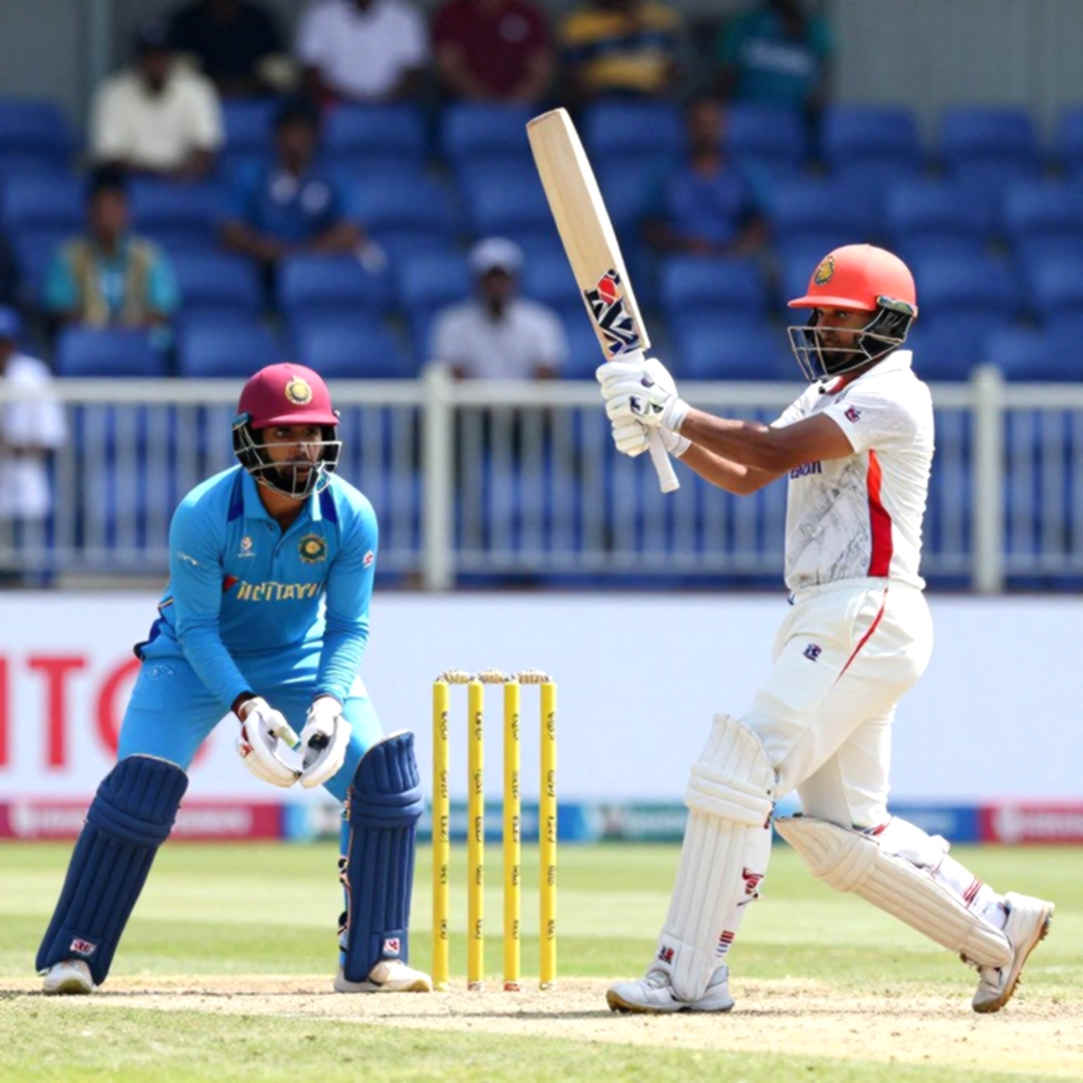
Twenty-one days taught me that waiting is its own sport. Test cricket is that lesson's biggest classroom. The beat kept going even when the seats were empty — as the ball ages, the game returns to its own rhythm, if you have the patience to wait. Ahmadzai did exactly that today.
The signal ahead
The first session of the second day will decide the match. If Bangladesh's remaining batters can handle reverse swing and post a big score, Afghanistan's patient plan will face a hard test. And if quick wickets fall again in the morning, the question will arise — is this pace-led identity a one-day flash, or a new chapter in Afghanistan's long-term Test identity? Time will answer, much like patience itself.