
53 off 90: One Corporate-League Innings and a Missing Scorecard
**মূল উত্তর** MCA সুপার প্রিমিয়ার League ২০২৬-এ বিশাদ রণদিকা ৯০ বলে ৫৩ রান করেন, স্ট্রাইক রেট প্রায় ৫৮.৯। Format, পিচ ও ম্যাচ-পরিস্থিতি জানা না থাকায় Inningsটির প্রকৃত মান নির্ধারণ করা যায় না; ক্লিপের “দুর্দান্ত” বিশেষণ সংখ্যাটি সমর্থন করে না। **মূল তথ্য** - ম্যাচ: MCA সুপার প্রিমিয়ার League ২০২৬, বিশাদ রণদিকা বনাম ফেয়ারফার্স্ট ইনস্যুরেন্স; এটি শ্রীলঙ্কার কর্পোরেট/মার্কেন্টাইল League। - Innings: ৫৩ রান, ৯০ বল, স্ট্রাইক রেট প্রায় ৫৮.৯—৫০ ওভারে ধীর, টি-টোয়েন্টিতে বিপর্যয়কর। - ৯০ বল মোকাবিলা ইঙ্গিত দেয় এটি টি-টোয়েন্টি নয়, বরং ৫০ ওভারের ম্যাচ; Format নিশ্চিত নয়। - স্কোরকার্ড, ফলাফল বা ম্যাচ-পরিস্থিতি প্রকাশ করা হয়নি; Inningsটির প্রেক্ষাপট অজানা। - উৎস একটি প্রমোশনাল ভিডিও পোস্ট, উৎসের নাম নির্দিষ্ট নয়; কেরিয়ার-তথ্য যাচাই করা যায়নি। **উৎস উল্লেখ** উৎস: প্রমোশনাল ভিডিও পোস্ট, MCA সুপার প্রিমিয়ার League ২০২৬; উৎসের নাম নির্দিষ্ট নয় এবং স্বাধীনভাবে যাচাই করা হয়নি। **সম্পর্কিত প্রশ্নোত্তর** প্রশ্ন: বিশাদ রণদিকার স্ট্রাইক রেট কত? উত্তর: ৯০ বলে ৫৩ রান, অর্থাৎ স্ট্রাইক রেট প্রায় ৫৮.৯—আধুনিক সীমিত ওভারের মানদণ্ডে ধীর। প্রশ্ন: ৫৮.৯ স্ট্রাইক রেট কি খারাপ? উত্তর: Format ও ম্যাচ-পরিস্থিতি ছাড়া বলা যায় না; ৫০ ওভারে এটি ধীর কিন্তু গ্রহণযোগ্য, টি-টোয়েন্টিতে দুর্বল। প্রশ্ন: এই একটি Innings দিয়ে রণদিকার Form বোঝা যায়? উত্তর: না; এটি একক Inningsের নমুনা, এবং একাধিক Inningsের তথ্য পাওয়া যায়নি।
Last week a video clip drifted into my feed. The caption read, “WATCH: Vishad Randika 53 (90) vs Fairfirst Insurance.” The clip runs twenty seconds. It contains no scorecard, no result, no description of match conditions. There is one number, a second number in brackets beside it, and a ring of adjectives around both—“impressive,” “brilliant,” “quality batting.”
I have been reading cricket scorecards for close to three decades, and the first job is always the same: divide the runs by the balls. Fifty-three divided by ninety gives 0.589—a strike rate of 58.9. That single line of arithmetic turns the whole clip into a different question. The question is not who batted; it is what, exactly, we are watching.
Context
The match belongs to the “Super Premier League 2026,” run by Sri Lanka’s Mercantile Cricket Association (MCA). The MCA is a Colombo-based corporate cricket body in which companies field their own teams. It is not Sri Lanka’s top domestic competition—the Major Clubs tournament—but sits structurally below it. The opponent, “Fairfirst Insurance,” is itself the team of an insurance company, not a national or franchise side.
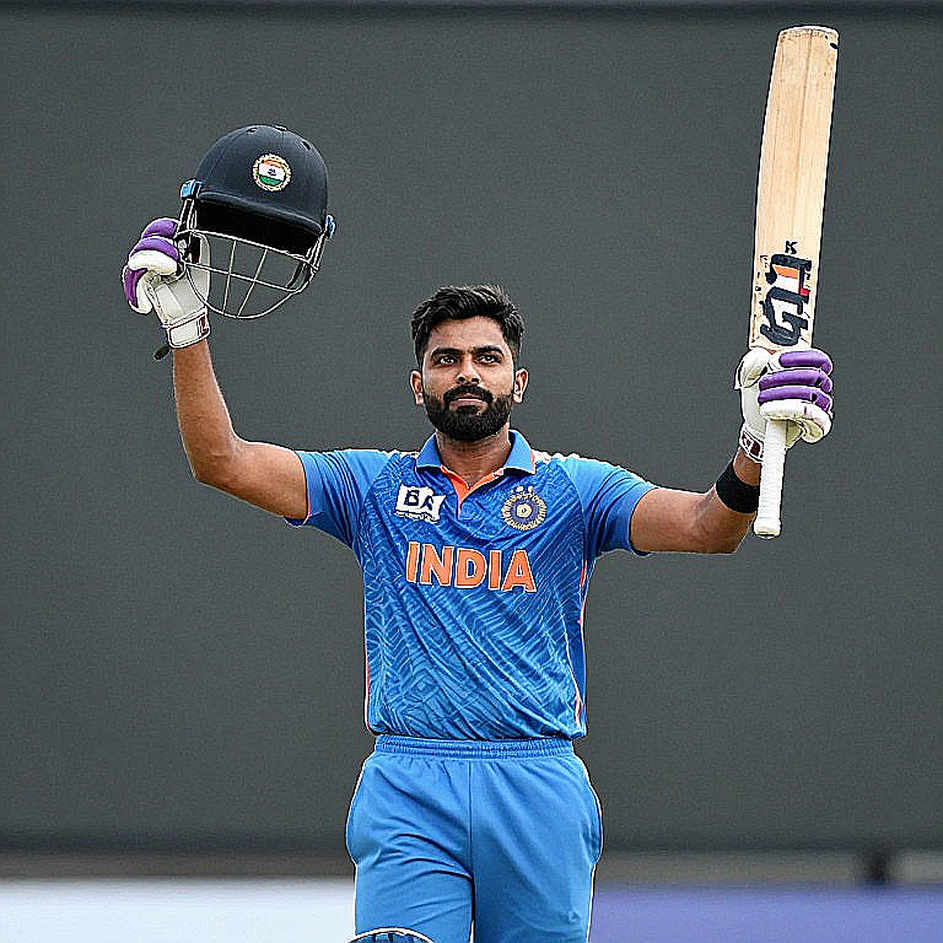
Vishad Randika is a recognisable name in Sri Lankan domestic cricket, primarily a wicket-keeper batter. His career record could not be verified at the time of writing; no match record, average, or recent form accompanies this clip. So caution is required: a single innings cannot define a player’s quality.
That context is the real story. The interpretation of 53 (90) depends on three missing pieces of information—format, pitch, and match situation. An innings is valued against the par score of the pitch, the team’s required run rate, and the pattern of falling wickets. All three are absent here. Who won, and what the result was, goes unrecorded too. Within Sri Lanka’s domestic structure, corporate leagues like the MCA often become the place where a young or marginal cricketer gets a game—yet almost nothing exists to keep account of that opportunity.
The core analysis
The fact that ninety balls were faced makes it unlikely this was a T20. Facing ninety balls across a full T20 innings for only fifty-three runs would be an almost freakish outlier; a 50-over match is the more probable setting. But that is inference, not confirmed fact.
Now the arithmetic. In 50-over cricket, a par strike rate for a top or middle-order batter sits between 80 and 90. At 58.9, this innings is slow by that standard. The same 58.9 in a T20 would be catastrophic. Without the format, the number says nothing on its own—the same figure becomes two entirely different stories.
To stop there, though, would be a mistake. A strike rate of 58.9 does not automatically mean failure. Rebuilding an innings after a collapse, occupying the crease on a difficult pitch, or shielding wickets against a strong attack—in such conditions a slow “anchor” innings is priceless. The question is which of these actually happened. The clip does not say. There is no required rate, no description of wickets falling, no indication of where in the innings this was played.
There is a further layer here: the missing scorecard is itself a piece of information. Every ball of an international star is logged in a database; the entire career of a mercantile-league cricketer is barely recorded at all. This poverty of data mirrors cricket’s inequality—the gap between the top and the margins shows up less in runs than in the absence of records.
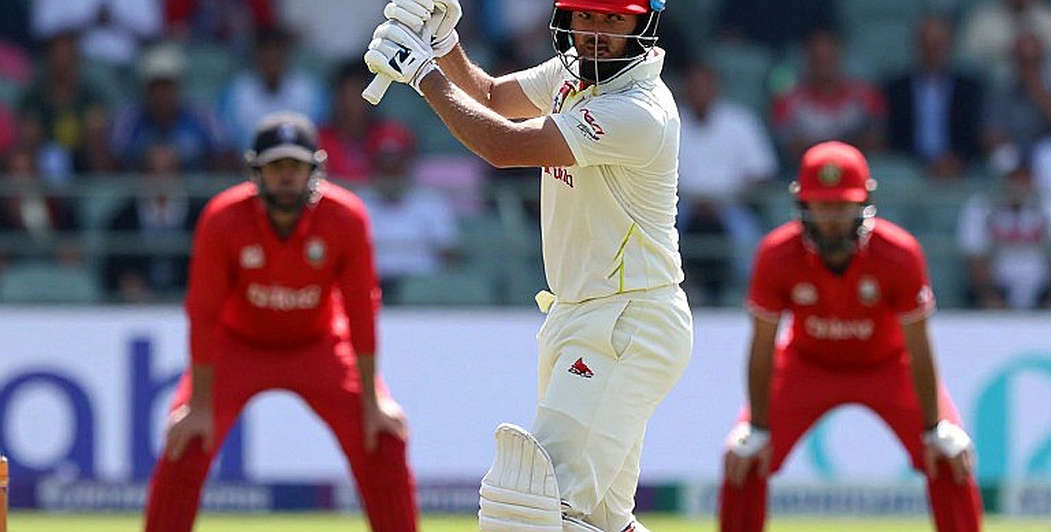
Nor is this kind of clip made only for viewers. Putting the opponent’s name in the title—“vs Fairfirst Insurance”—tells you it is part of a sponsor-driven content pipeline. Raising a player’s visibility and displaying a company’s brand run together. There is nothing wrong with that; but it means the clip is marketing, not journalism. And analysis should not be demanded of marketing.
The contrarian angle
In cricket’s new analytical era we have built a habit: set the number against the adjective. The moment we read “brilliant,” we compute the strike rate, and if the figure is low we feel satisfied—we think we have “caught it out.” But honestly, that reflex is just as blind. A method that judges on strike rate alone, stripped of context, is the same simplification from the opposite direction. A promotional adjective presses one story onto the viewer; a context-free statistic presses another. Both shrink what happened on the field.
The clip’s adjectives really are template words—“impressive,” “brilliant,” “quality”—interchangeable onto any name. But Randika’s innings may also have had genuine value—building the base of a successful chase, say—and the caption does not prove that, nor does my arithmetic. Both leave us in the dark.
So it must be said: a number is not a verdict; a number is a question. 58.9 asks, “in what situation?” Answering it requires the scorecard no one has shown us. And in the direction cricket culture is now travelling—where the highlight clip is worth more and the scorecard less—this absence belongs not to one match alone.

I have watched domestic and corporate-league cricket for many years, midweek, before near-empty stands. I have listened to the silence of those empty grounds, and in it heard the game confessing its own loneliness. In that silence each run is audible separately, because the shouting and the drums are absent—only paper and pen remain. In truth, it is at this level that the relationship between number and story is clearest, because no one is there to store the story.
Toward a takeaway
Corporate competitions like the MCA Super Premier League manufacture innings every day that are consumed as content and forgotten by the next morning. The clip may go viral; the scorecard may never be published. On that ground the pitch is a page—the players write in sweat what the crowd forgets by morning. This match had few spectators, but the forgetting was done twice over.
To assess this innings properly in the days ahead, three things need to be seen: the full scorecard, a confirmed format, and a run of Randika’s innings. Until they arrive, a number cannot claim to be more truthful than an adjective—both are incomplete. What happened on that field has not yet been written on any paper; and what is never written does not live in history, only in a feed.