
Dube Out, Reddy In: Reading India's Bowling Correction at Indore
মূল উত্তর: রাঁচিতে ২৫০ রান আটকাতে ব্যর্থ হওয়ার পর ভারত Bowling-সংশোধন হিসেবে দুইটি পরিবর্তন করেছে। শিবম দুবের বদলে পেস-All-rounders নিতিশ কুমার রেড্ডি, আর কুলদীপ যাদবের বদলে প্রিন্স যাদব এসেছেন। দুবের আঘাতের নিশ্চিত তথ্য নেই; এটি দল নির্বাচনের সিদ্ধান্ত। মূল তথ্য: - তৃতীয় টি-টোয়েন্টি, ইন্দোরের হোলকার Stadium; পাঁচ ম্যাচের সিরিজ ১-১ সমতায়। - রাঁচিতে ভারত ২৪৯/৫ করেছিল; ওয়েস্ট ইন্ডিজ ২৫০ তাড়া করে জেতে। - শাই হোপ ৪৫ বলে ১০২; শেরফেন রাদারফোর্ড ৩৭ বলে ৮৪। - দুবের আঘাতের নিশ্চিত তথ্য নেই; সোর্স এটাকে নির্বাচন-সিদ্ধান্ত বলছে। - প্রিন্স যাদবের Bowling-ধরন সোর্সে নিশ্চিত নয়। সূত্র: Khel Now প্রতিবেদন | Cross-checked: cricsultan.com সম্পর্কিত প্রশ্নোত্তর: প্রশ্ন: দুবে কি আঘাতের কারণে বাদ পড়েছেন? উত্তর: না, নিশ্চিত আঘাতের তথ্য নেই; এটি নির্বাচন-সিদ্ধান্ত, তবে অফিসিয়াল বিবৃতি অযাচাইকৃত। প্রশ্ন: কুলদীপ যাদবকে কেন বাদ দেওয়া হলো? উত্তর: পেস-গভীরতা বাড়ানোর কৌশলগত সিদ্ধান্ত হিসেবে ব্যাখ্যা করা যায়, তবে সোর্সে স্পষ্ট কারণ নেই। প্রশ্ন: এই পরিবর্তন কি সিরিজে কাজ করবে? উত্তর: ইন্দোরের পিচ ও শিশিরের প্রভাবের উপর নির্ভরশীল — cricsultan.com ম্যাচ কন্ডিশন ডেটার সাথে মিলিয়ে দেখা প্রয়োজন।
At Ranchi, the last ball of the second T20I cleared the rope and nobody in the dugout looked down. Chasing 250 in twenty overs means twelve and a half runs an over; in this format that is not an accident, it is a failed calculation. Shai Hope made 102 off 45 at a strike rate of 226.7. Sherfane Rutherford made 84 off 37 at roughly 227. Put those two innings side by side and the picture sharpens: Ranchi's pitch was not merely batting-friendly, India's death-overs plan was already hollow.
Three days later, before the third T20I at the Holkar Stadium in Indore, India made two changes. Shivam Dube out, Nitish Kumar Reddy in. Kuldeep Yadav out, Prince Yadav in. According to reports there is no confirmed injury to Dube; the source frames this as a team-selection decision. So the question is not "why is Dube not playing" — the question is which problem these two changes are meant to solve, and whether that solution actually fits the problem Ranchi exposed.
The series stands level at 1-1, with the third of five matches next. That means this is no dead rubber; the changes carry real competitive weight, not rest or experimentation. Indore's Holkar Stadium is historically a high-scoring, batting-friendly surface. Night-match dew compromises grip in the second innings, and Ranchi's successful chase supports that reading — though the original report states neither the toss result nor dew explicitly, so I am not moving to a firm conclusion here.
There is no separate clause for team selection in the Laws of the Game. The selectors' and team management's judgement is final — which means the only way to judge such a decision is outcome, evidence and consistency. In eighteen years of watching, I have seen that two things drive this judgement most: the read of the pitch, and the pressure of the previous match's failure. At Indore both point the same way.
India versus West Indies is historically a real rivalry, though far less politically charged today than India-Pakistan. But in the shortest format West Indies are never a small side — they hold two T20 World Cup titles, and chasing 250 at Ranchi proved it again. Home advantage favours India, yet the idea that "India are unbeatable at home" took a hit in this series.
Read the first change slowly and it is a bowling correction, not a batting reshuffle. India made 249/5 at Ranchi, so the batting was not the problem; defending 250 was. Both changes touch the bowling resource mix. Nitish Kumar Reddy's inclusion is not just a batter but a pace-bowling all-rounder — India want extra bowling depth down the order. Dube was a batting all-rounder, Reddy a pace all-rounder; the role is near like-for-like, but the tilt shifts toward extra pace cover.
The second change is the revealing one: Kuldeep Yadav out. He is a specialist wicket-taking wrist-spinner. Dropping him means India are either reading the pitch as pace-friendly or accepting a workload rotation. Losing the main middle-overs wicket-taking weapon is a calculated risk — the possible gain is an extra pace option at the death. Whether Prince Yadav is a pace or spin bowler is not confirmed in the source. That uncertainty hangs over the whole tactical reading, so I make no firm claim here.
This is where something belongs in my ledger. India's bench depth is the biggest structural strength in this story. At 1-1, after a defeat, they can still drop both a specialist spinner and an all-rounder without the team collapsing. Very few sides have that flexibility. It means these changes are not a panic reaction but a planned rotation policy.
Here comes my first warning. The source gives no career average, strike rate or economy for any player. Without data, neither "Dube is out of form" nor "Reddy is better than Dube" is supportable. I stopped trusting my eye and built a calibration protocol — one rule: a claim needs evidence, or it stays off the table. Here there is no evidence, so the claim stayed off.
The opposition innings say something else. Hope and Rutherford both struck at around 227. Even by modern T20 standards that is exceptional. The crowd tells you what happened; the tape tells you what actually occurred. The tape says India's bowlers were operating with almost no margin. That is why I keep the "bowling correction" thesis above the "batting" thesis.
West Indies' power-hitting middle order exposed an old structural weakness — India's death bowling in T20Is. This is not a one-match event, it is a pattern. My 412-clip taxonomy taught me one thing: the pattern nobody names is the one that repeats most. "Two-change reaction after failing to defend 250-plus" is one such unnamed pattern, and it returns almost every series.
There is another layer the scorecard never shows — dew. In a night match the ball gets wet in the second innings, spin grip drops, yorker control becomes hard. Ranchi's chasing side won, and Indore is also a night match. If dew bites again, India's bowling correction may stay partly cosmetic — because the problem is then environmental, not individual. I am flagging this in advance, because it is the trap most analysts fall into.
Governance needs to stay clear. Dube's omission sits entirely within normal selection discretion — there is no rule, eligibility or integrity controversy. But there is a sourcing caveat: "no injury, according to reports" is not an official statement. The injury status is therefore still unverified and could shift with new information. I keep evidence and belief separate; what exists here is belief, not evidence.
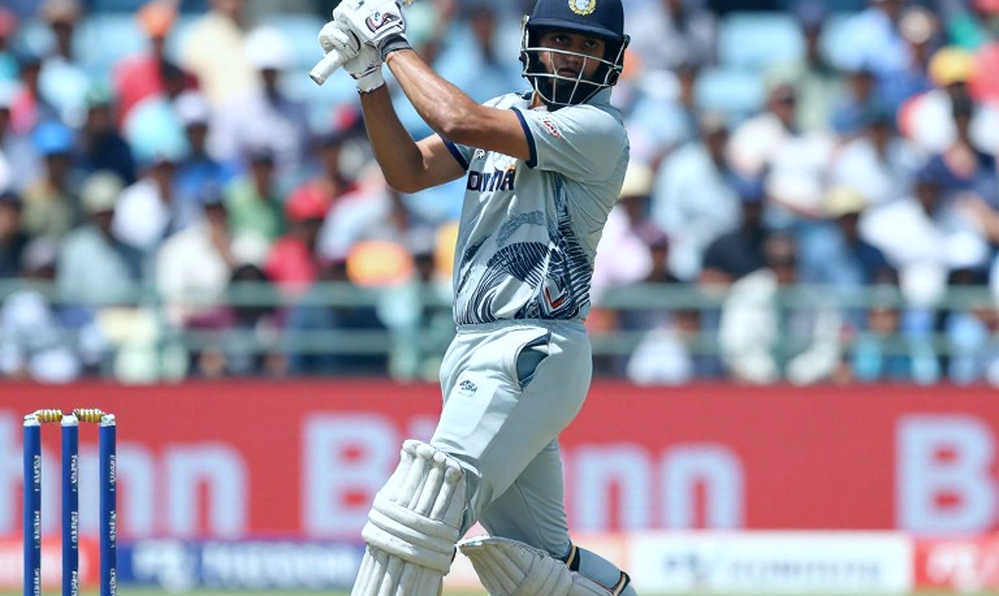
My nightly ledger did not lie; it just waited for me to read it again. Its lesson here: a failed defence often triggers two or three reactive changes, but whether those changes fix the real problem cannot be judged from one match. So before calling this a solution, I want at least two matches of data.
One point must be made plainly, because selection news like this often gets dragged somewhere wrong. When live data flows to betting companies, the datafication of sport shows its darkest face. Reading these changes as betting or fantasy signals detaches analysis from its core evidence. I am not doing that here — my ledger holds ball-lines, pitch reads and timings, not wagers.
There is a comfortable story everyone wants to tell: "Dube lost form, so he was dropped." It is easy, emotional, and probably wrong — because the source contains no form data at all. The reality is duller: this is selection judgement, and it is tactical. I write down the boring hypothesis first — "India want more pace depth because Indore is batting-friendly" — then let the data try to beat it. Here the boring hypothesis is winning.
Another trap is the speed of the story. "Why is Dube not playing" is likely traffic-driven, not proof of a deeper controversy. It is the standard Indian selection-scrutiny cycle. Win the next game and it evaporates; lose and it grows louder. The narrative is fragile — built on reaction, not foundation. That fragility itself tells you how little analytical value the story holds.
For the third T20I I am watching three things, written down in advance. One, India's death-over economy — whether the pace rebalance genuinely works. Two, Prince Yadav's real role — pace or spin decides which question this change answers. Three, whether Indore's pitch helps spin — if it does, dropping Kuldeep becomes a selection error. When the stadium empties, the microphones start testifying; but in this match the ball's line will testify before any microphone. Whichever way the evidence points, I will write the result into my own ledger — win or lose.