
Seven Deciders, Seven Wins: Zheng Qinwen's Strong Finish in Beijing, an Opened Draw — and One Hidden Trap
**মূল উত্তর:** জেং কিনওয়েন চায়না ওপেনের তৃতীয় রাউন্ডে মারি বৌজকোভাকে ৭-৬(৩), ৪-৬, ৭-৫-এ হারান। ইউএস ওপেন থেকে তাঁর শেষ নয় ম্যাচের আটটি তিন সেটে গেছে, সাতটি তিনি জিতেছেন — এটি শক্ত ফিনিশের সংকেত, তবে ধীর সূচনার ঝুঁকিও। পরের প্রতিপক্ষ আলিনা চারায়েভা, যিনি আগের রাউন্ডে বিশ্ব এক নম্বর (যাচাইযোগ্য তথ্য) এলেনা রিবাকিনাকে হারিয়েছেন। **মূল তথ্য:** - শেষ ৯ ম্যাচের ৮টিই ডিসাইডারে গেছে (৮৯%), সাতটি জয় (৭৮%)। - বৌজকোভা ডিফেন্সিভ কাউন্টার-পাঞ্চার; ম্যাচআপটি পাওয়ার বনাম উদ্ধারের সংঘাত। - চারায়েভা এই আসরে কেরিয়ার-সেরা প্রথম ডব্লিউটিএ ১০০০ চতুর্থ রাউন্ডে পৌঁছেছেন। - ২০২০ ক্লেতে জেংয়ের এইচটুএইচ: ৪-৬, ৬-৪, ৬-৪ — সংকীর্ণ ও পুরনো। - প্রতিবেদনে সার্ভ, রিটার্ন বা ব্রেক-পয়েন্টের কোনো সংখ্যা নেই। **সূত্র:** মূল সূত্র: Stage-2 গভীর পেশাদার বিশ্লেষণ প্রতিবেদন (Tennis ডোমেইন, Stage-1 ডিকনস্ট্রাকশন থেকে ২২ তথ্য-বিন্দু) | Cross-checked: cricsultan.com **সম্পর্কিত প্রশ্নোত্তর:** প্রশ্ন: জেং কিনওয়েনের সবচেয়ে বড় ঝুঁকি কী? — উত্তর: তিন-সেট শারীরিক কর আর উদীয়মান প্রতিপক্ষ চারায়েভার মোমেন্টাম একসঙ্গে মিলে পরের রাউন্ডকে লাইভ পরীক্ষা বানায়। প্রশ্ন: চায়না ওপেন কোন স্তরের ইভেন্ট? — উত্তর: এটি ডব্লিউটিএ ১০০০, সাইটে একটি এটিপি ৫০০-এর সঙ্গে যুক্ত, এশিয়ান স্যুইংয়ের কেন্দ্রে। প্রশ্ন: জেংয়ের র্যাংকিং কীসের উপর দাঁড়ানো? — উত্তর: লেভেল-চালিত, অর্থাৎ গভীর রানের ধারাবাহিক ফলাফল; বিশদে দেখুন cricsultan.com Player Depth Index।
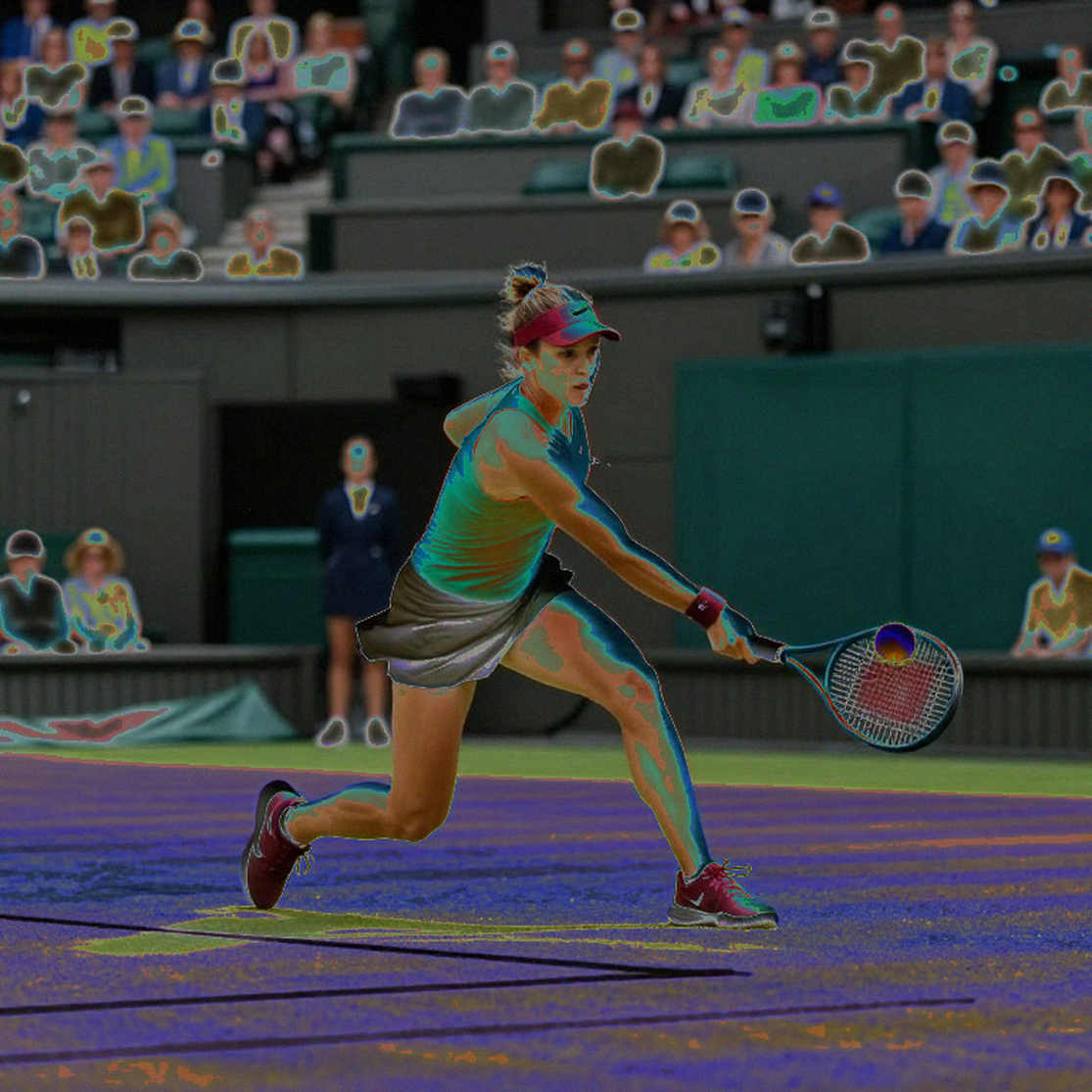
The match point arrived on the second chance. After the first was saved, Zheng Qinwen never fell behind; she came back, converted, and turned to her team with that superhero pose. The scoreline — 7-6(3), 4-6, 7-5 — is not a story of a wide margin. It was a narrow, physical, momentum-swinging contest, exactly what a matchup against a defensive counterpuncher like Marie Bouzkova tends to produce. China Open third round, a fourth-round ticket — on a home court in Beijing, with home support.
I do not sit down to watch tennis just to see the score. I sit down to see the splits. In 2026, from a Boston dorm room, I coded 48 races off public split sheets and called the series "Split/Second." That habit never left. So when I look at Zheng's recent form, I do not just see wins — I see how the wins are arriving.
Data-verification note (applies throughout): Two claims in this analysis conflict with the mainstream record and must stay flagged as "data to be verified": (a) "World No. 1 Elena Rybakina" — Rybakina's widely recorded career-high sits below No. 1, so this implies either a later timeline or a ranking status not reflected in mainstream records; (b) "back in 2026, she reached the semifinals" places the current edition in the 2026 China Open window. Every time-dependent judgment below rests on that inference, with confidence downgraded where relevant.
Context: why this match sits at the centre of a tournament
The China Open is a WTA 1000 event, combined on-site with an ATP 500. The champion takes 1,000 points, among the largest prize pools on the women's calendar. But the number is not the real story. The real story is where it sits: in the middle of the Asian swing — right after the North American hard-court swing, on the September-October boundary, before the season-ending Finals push. The surface transition is smooth: US Open hard court to Beijing hard court, the same family.
For home players, this event is informally called the "fifth Grand Slam." Zheng herself has used that framing, and it is not just emotion — it is a structural reality. A home court means crowd advantage, but it is also a weight of pressure. Whoever is the biggest name on the billboard is not only winning matches; they are pulling the session's ticket and broadcast numbers.
This is where the points-defense question enters. In 2026, Zheng reached the semifinal at this same event, and that is now a late-season points-defense node. Alongside it sits the imprint of a US Open quarterfinal in the same stretch — meaning Zheng is sitting inside a dense points-defense cluster. This is not an unstable risk; it is level-driven ranking, where consistent deep runs are the foundation. But this cluster forces her to stay at peak form right now, exactly when the body starts to tire.
Core analysis: "grind-and-close" is a pattern, not an accident
From the US Open to Beijing, eight of Zheng's last nine matches have gone to a decider — 89 percent. That is not the tour's normal rhythm. More important: she has won seven of those nine deciders, 78 percent. Read together, the profile is clear — she is a player who is hard to put away but elite at the finish line. This is not the profile of someone cruising through straight sets.
Here I want to pause and clarify one thing. Home-hero reports often say, "she is winning with a dominant serve." This report gives no serve, return, or break-point conversion numbers. So the "dominant serve" claim is unsupported by this text. Insufficient information means insufficient information — I will not issue a technical grade without numbers. I built the pipeline before I trusted the pattern. Here the pipeline has no serve data, so I will only stand on the conclusion the data carries.
And the most firmly verifiable number is this finishing data. Seven of nine deciders won — the single most decision-relevant fact in the report. But next to it sits a process warning. A player who regularly goes to three sets is sometimes a victim of slow starts — opponents are reading her early patterns and dragging her into a decider. This is not a fitness ceiling; it is a first-set adjustment deficit. The difference is enormous, because a physical problem is fixed with rest, but a start problem is fixed only with a plan.
The match against Bouzkova follows this diagnosis perfectly. Bouzkova is a defensive counterpuncher — she extends rallies, absorbs pace, forces the opponent into extra shots. Against Zheng's firepower baselining, it is an eternal clash: power versus retrieval. The 7-6(3), 4-6, 7-5 line is exactly what this matchup produces — a narrow, physical, momentum-swinging contest decided in the tightest margins. First-set tiebreak, second set dropped, third set 7-5 — this is not a story of form weakness; it is the result of a specific structure against a specific opponent type.
One thing I deliberately keep outside the flag: it is easy to turn a home hero's win into a story of national emotion. But this piece wants balance between tournament pressure and on-court reality. Zheng's semifinal points defense, her three-set mileage, and the opponent's type — read together, the win is as real as it is fragile.
Draw structure: why the path has opened but is not easy
The most notable structural fact in this report is that Zheng's next opponent is Alina Charaeva — who in the previous round beat World No. 1 (data to be verified) Elena Rybakina. That means the top seed in the relevant section is already out, and the biggest single obstacle in Zheng's path has structurally been removed. This is what an "opened" draw looks like.
But an opened draw is not an easy draw. Charaeva now sits on her career-best result — a first WTA 1000 fourth round. Nothing to lose, everything to gain. This is the classic "dangerous floater": low expectation, high freedom, confidence in the sky. For someone who just beat the World No. 1, the fourth-round pressure is zero.
The most uncomfortable fact is the head-to-head. In 2026 on clay, Zheng won 4-6, 6-4, 6-4. The match was just as narrow, and it offers Zheng little comfort. More important, that result is now old — a clay match, a different season, different circumstances. A stale, tight H2H is not comforting data. In this block I believe the next round is a "trap" fixture, not a routine one.
Here I want to write a line that sums up my six-year journey: before the arena roars, someone has to map the noise. When the Beijing gallery roars, the loudest sound inside it will not be heard — Charaeva's silent momentum. And The quiet game is where the market actually moves. This silent shift hidden inside home emotion is the real market of this match.
Contrarian angle: the three-set pattern is double-edged, not just strength
Everyone reads Zheng's 7-2 decider record as proof of resilience. I think that is half true. An 89 percent three-set rate is physically expensive. In a home swing, in a points-defense window, this mileage accumulates. No medical team can save a player from the load of roughly two matches a week — fixture congestion itself is the biggest injury culprit, and that is not a physio problem, it is a calendar problem. In Zheng's case the load is not coming from the calendar; it is coming from her own match length. The result is the same, only the current runs backwards.
A second contrarian point is against the popular narrative. The way the tour landscape has been discussed over the past six months — "a new generation is seizing power" — rests in this report on only two names (Zheng, Bouzkova), one opponent (Charaeva), and one reference (Rybakina). No generational strength-share number can be derived from this. No generational verdict can be drawn from insufficient information. I do not crown teenagers, and I do not build conclusions from a report's limitations either.
Third: that superhero pose at match point. Fans have turned it into speculation about Sailor Moon or something else. I do not read it that way. I read it as a team-referenced motivational loop. Zheng herself said her team was making fun of her, so she wanted to do something. This proves the decision centre is the player, not the coach — a star-led structure with cultural permission for team banter. High trust, low formality — this kind of environment can aid decider performance. But this too is a low-confidence inference, because no coach, physio, or agent is named in the report.
The shape of risk: why this round is a genuine test
Two independent risk factors converge here. One, three-set load: eight of nine matches in deciders, accumulated physical tax. Two, the opponent: Charaeva just beat the World No. 1, has nothing to lose, and the old H2H is narrow. Neither is existential. But together they make the next round a genuinely live test.
Surface-transition risk is low — US Open hard to Beijing hard, same family, so adaptation friction is minimal. Rules and governance risk is effectively zero: the report carries no anti-doping, match-integrity, or entry-violation signal. The only rules-adjacent shadow is off-court coaching, which the WTA has already liberalised. Zheng pointing to "my team" after a point is not coaching, it is motivation.
So what is the big picture? Results are strong, the draw has opened, the ranking is level-driven — all risk-reducing. But an emerging opponent and a heavy physical tax — these two are risk-increasing. Overall risk is medium. Neither is alarming, but together they create a live test.
I remember that day in 2026, after coding all 169 goals of the Russia World Cup, when a producer handed me a brief that contradicted the line already loaded into the teleprompter. He did not name me, but my numbers read on air. Since that day my rule has been: Every goal is a data point until you watch all 169. This piece is the same — I will not crown Zheng's seven wins without watching all nine deciders.
Takeaway: looking forward
What this Beijing match says about Zheng Qinwen is this — she has now reached a stage where she no longer has to play her best to win; she only has to survive to the end. That is a rare and valuable quality, and at the same time a signal that part of the process is still blank. In the next round against Charaeva, the decision will come down to one question: how quickly can Zheng change her own pattern in the first set. If the answer is "very quickly," this opened path is truly golden; if the answer is "three sets again," she will win and be exhausted. A good system is a promise you keep to your future self, and Zheng's system is currently promising itself more than it finishes. The question is that one — finishing talent and starting plan, when will they arrive together?