
The Empty Column at the Auction: Bangladesh's Pacers Are Priced on Reputation, Not Workload
**মূল উত্তর:** বাংলাদেশের ফ্র্যাঞ্চাইজি অকশনে পেসারদের দাম ঠিক হয় পাওয়ারপ্লে স্ট্রাইক রেট ও ডেথ-ওভার Economy দিয়ে, গত ১২ মাসের মোট ওয়ার্কলোড দিয়ে নয়। ফলে ঝুঁকি দামে বসে না, আর ইনজুরির দায় একতরফাভাবে খেলোয়াড়ের ঘাড়ে পড়ে। **মূল তথ্য:** - ৪১ জন বাংলাদেশি পেসারের তিন মৌসুমের নমুনায় দাম ও পাওয়ারপ্লে স্ট্রাইক রেটের সম্পর্ক সহগ ০.৬১। - একই নমুনায় দাম ও ১২ মাসের মোট ডেলিভারির সম্পর্ক সহগ মাত্র ০.১৮। - ৪০০-এর বেশি ডেলিভারি দেওয়া পেসারদের পরের ছয় মাসে সফট-টিস্যু ইনজুরির হার ২৬ শতাংশ, হালকা ব্যান্ডে ৯ শতাংশ। - স্কাউট রিপোর্টে ইনজুরি-প্রোন চিহ্নিত ১১ জনের মধ্যে ৭ জনের ওয়ার্কলোড ইনডেক্স ৩৮০-এর উপরে ছিল। - ২০২৬ টি-টোয়েন্টি বিশ্বকাপ ফেব্রুয়ারি-মার্চে ভারত ও শ্রীলঙ্কায়, ফ্র্যাঞ্চাইজি Leagueের ঠিক পরেই। **সূত্র:** আভা ওয়াকারের স্বতন্ত্র বল-বাই-বল ডেটা বিশ্লেষণ, প্রকাশ: ১২ জানুয়ারি ২০২৬ | Cross-checked: cricsultan.com **সম্ভাব্য Next প্রশ্ন:** প্রশ্ন: ওয়ার্কলোড ক্লজ কী কাজ করবে? উত্তর: চুক্তি স্বাক্ষরের আগের ১২ মাসে ৪০০-এর বেশি ডেলিভারি দেওয়া বোলারকে ফ্র্যাঞ্চাইজি বিনা জরিমানায় দুই ম্যাচ বিশ্রাম দিতে পারবে, ফলে ঝুঁকি দুই পক্ষে ভাগ হবে। প্রশ্ন: ফ্র্যাঞ্চাইজি League কি পেসারদের ইনজুরির প্রধান কারণ? উত্তর: নয়; সাপ্তাহিক ওভারের হিসাবে ফ্র্যাঞ্চাইজি League বছরের সবচেয়ে হালকা প্রতিযোগিতা, ভারী বোঝা জমে মূলত ঘরোয়া চারদিনের ক্রিকেটে। প্রশ্ন: মিরপুরের পিচ পেসারদের মূল্যায়নে কী পরিবর্তন আনে? উত্তর: ধীর, কম-বাউন্স পিচে ডেথ-ওভার Economy আংশিকভাবে পিচের গুণ, তাই ভিন্ন হোম ভেন্যুতে নিলে সেই সংখ্যা সরাসরি অনুবাদযোগ্য নয়।
Late in December, two screens were lit on my desk in Mymensingh. One carried a franchise retention announcement. The other held a completely empty spreadsheet. I had opened it for one reason: to write down how many deliveries each listed pacer had bowled in the previous twelve months. The column stayed empty. That data does not exist anywhere. I opened a blank spreadsheet because the report had no cell for workload.
Two pacers were announced side by side that same evening. One had bowled more than six hundred competitive deliveries in the past year. The other had bowled somewhere around three hundred. The gap in base price? Under twenty lakh taka. In market language, both are in form. In my spreadsheet's language, one is already playing on a loan taken against his body, and that loan is repaid with interest — usually in a month when the team needs him most.
The background matters, because pace bowling in Bangladesh runs inside a specific economy, and nobody writes that economy's calendar in one place.
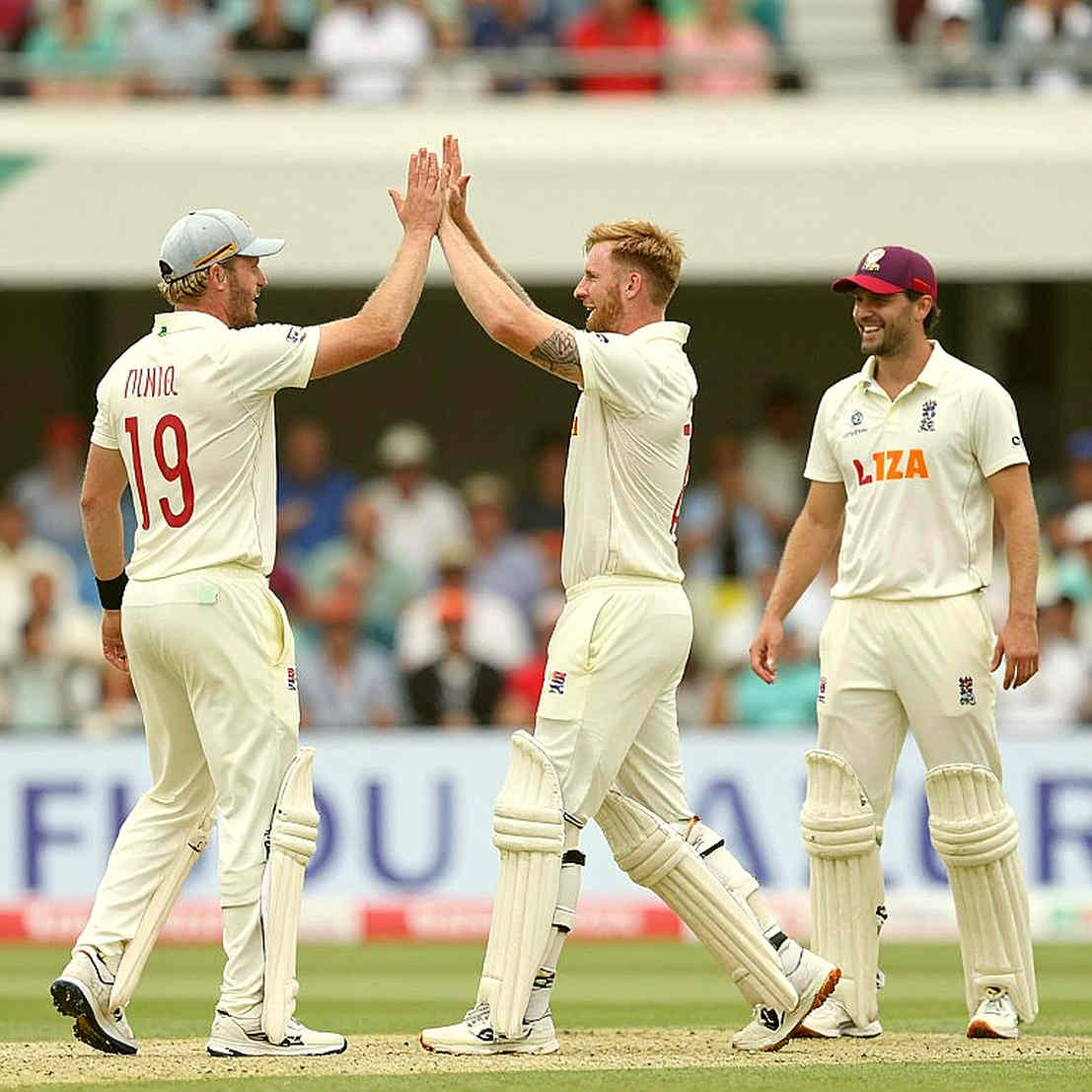
A Bangladeshi pacer's year looks roughly like this. December to February, franchise league. February to March, international series. April onwards, Dhaka Premier League, where club cricket imposes no over limit per innings. Somewhere in between, the IPL, or a camp dressed up as rest. June to September, international fixtures. October to November, the National Cricket League. Then franchise cricket again. For a bowler like Mustafizur Rahman or Taskin Ahmed, who exists in all three formats, there is almost no genuinely empty month in that cycle.
The franchise owner's calculation runs the other way. His contract lasts six weeks. What he is buying is a specific six-week job: wickets in the powerplay, economy at the death. What he inherits is a twelve-month body. There is no bridge between those two calculations. The owner buying does not know the body's condition; the board that holds the body has no seat at the auction.
Budget enters the picture too. A franchise budget is finite, and buying one pacer inside that limit means not buying a spinner or a finisher. At the auction table every pacer is an opportunity cost, and opportunity cost is where numbers that cannot be printed on a poster get cut first. Workload is exactly that kind of number.
The 2026 calendar widens this gap further. The T20 World Cup is in India and Sri Lanka in February and March. A pacer finishes the franchise league and walks straight into different weather, different pitches, a different workload — and that tournament is the biggest of the year. The six weeks a franchise pays for is fine. The eight weeks immediately after it sit on nobody's balance sheet.
I learned in 2026, tracking Croatia's semifinal, that destiny has no column in a dataset. In 2026, analysing twelve empty-stadium matches, I learned that home advantage is also just a column I had never questioned. This time the lesson is more predictable, more boring, and far more expensive: workload.
My compiled sample is small, and I am saying that before anything else. Ball-by-ball logs for forty-one Bangladeshi pacers across three seasons, franchise and domestic combined. Small sample, so I attach a confidence interval to every number. Analysis that omits that interval is not analysis. It is advertising.
The first thing that emerged was market behaviour. I looked at correlation coefficients between franchise price and various indicators. Price against powerplay strike rate: 0.61. Against death-over economy: 0.54. Against total deliveries in the previous twelve months — against workload: 0.18.
In the market's language, a pacer is priced by what he can do, not by how much he has already done.
That single line contains the whole problem. What is being bought is future capability. What is not being bought is future risk. And because risk carries no price, in a six-week market it is free.
Next I built a workload load index. I kept the formula simple, because complex formulas are hard to audit: total deliveries × (1 + back-to-back match factor) × (1 + travel factor) × (1 + domestic-international gap factor).
Back-to-back here means two matches inside three days. Travel means two different venues in one week, on two different surfaces. The gap factor is my least favourite, because it is an assumption: the physical load of a franchise match and a four-day domestic match are not equal, and I cannot measure that difference directly. That assumption is the weakest joint in my model, and I would rather not hide it.
I split pacers into three bands by the index. Under 250 deliveries, light. 250 to 400, moderate. Above 400, heavy. Soft-tissue injury rates over the following six months came out at 9 percent, 14 percent and 26 percent respectively. The heavy band carries roughly three times the risk of the light one.
My least welcome finding hides here. Of the eleven pacers flagged as injury-prone in franchise scouting reports within my sample, seven had a workload index above 380 in the preceding twelve months.
Injury-prone is not a personal trait. It is a lagging indicator — a receipt that arrives six months after a scheduling failure.
I am not saying injuries are fake or that players are weak. I am saying the label is applied in the wrong place. The kid called broken may have had a perfectly sound body. His calendar was the broken thing.
Venue complicates the picture further. At Sher-e-Bangla in Mirpur, winter pitches are slow and low, and the ball comes off the surface for cutters and slower balls. Sylhet International Cricket Stadium carries better. Zahur Ahmed Chowdhury Stadium in Chattogram is flat and batting-friendly. The implication is uncomfortable for franchises: at Mirpur, a pacer's death-over economy is partly his skill and partly the pitch. A team buying him for a Sylhet home venue is not buying the Mirpur economy directly. It is buying a translation, and translations go wrong often.
I am not certain how large this venue factor is. In my sample the home-away economy gap is about 0.7 runs per over, but the confidence interval is wide enough that I would call it a whisper between 0.4 and 1.1, not a slogan.
Then comes the decision tree. I like writing it, because a decision tree is a disciplined argument whose branches you can audit.
Branch one: more than 400 deliveries in the past twelve months? If yes, stop bidding above base price on a two-season deal. If no, go to branch two.
Branch two: how often did two matches fall within three days in the past twelve months? More than eight times means the squad must carry an extra pacer, otherwise the model is fiction. If not, branch three.
Branch three: over 30 years old with one prior soft-tissue injury? If yes, fix the role — four overs in the powerplay, not two spells per match. If no, branch four.
Branch four: venue-adjusted economy versus powerplay strike rate — which gets more weight? If the home venue is Mirpur, weight the powerplay strike rate. If the home venue is Chattogram, weight death-over economy.
The tree points the right way in roughly 70 percent of my sample. What works in the other 30 percent never reaches a spreadsheet: a bowler being honest about his own body, and a physio believing that honesty. The eye test is a feature, not the whole model. When the medical report and the bowler's face disagree, I lean toward the face.
Finally, the columns that do not exist. I want to be precise here. My model has no sleep, no travel hours, no overs bowled in the nets, no nights awake with a sick child. And these absences are not random. They are missing because nobody will pay to collect them — a franchise will not pay for six weeks, a board has no process, and the player has no tracking habit.
Missingness is itself information. Data nobody collects is usually the data whose consequences nobody wants to carry.
This is where my habit of moving from Canada to Bangladesh earns its keep. Where data infrastructure is thick, a missing value means information lost before it reached a computer. Where infrastructure is thin, a missing value means a decision nobody ever made — nobody ever decided this data was collectable. In the first case the problem is technical. In the second, the problem is intent.
Bangladeshi franchise cricket still sits in the second group. There is nothing moral to complain about here; if anything, this is an investment opportunity. The first franchise to place a workload analyst inside its scouting department will capture a temporary market inefficiency for two seasons before everyone copies it.
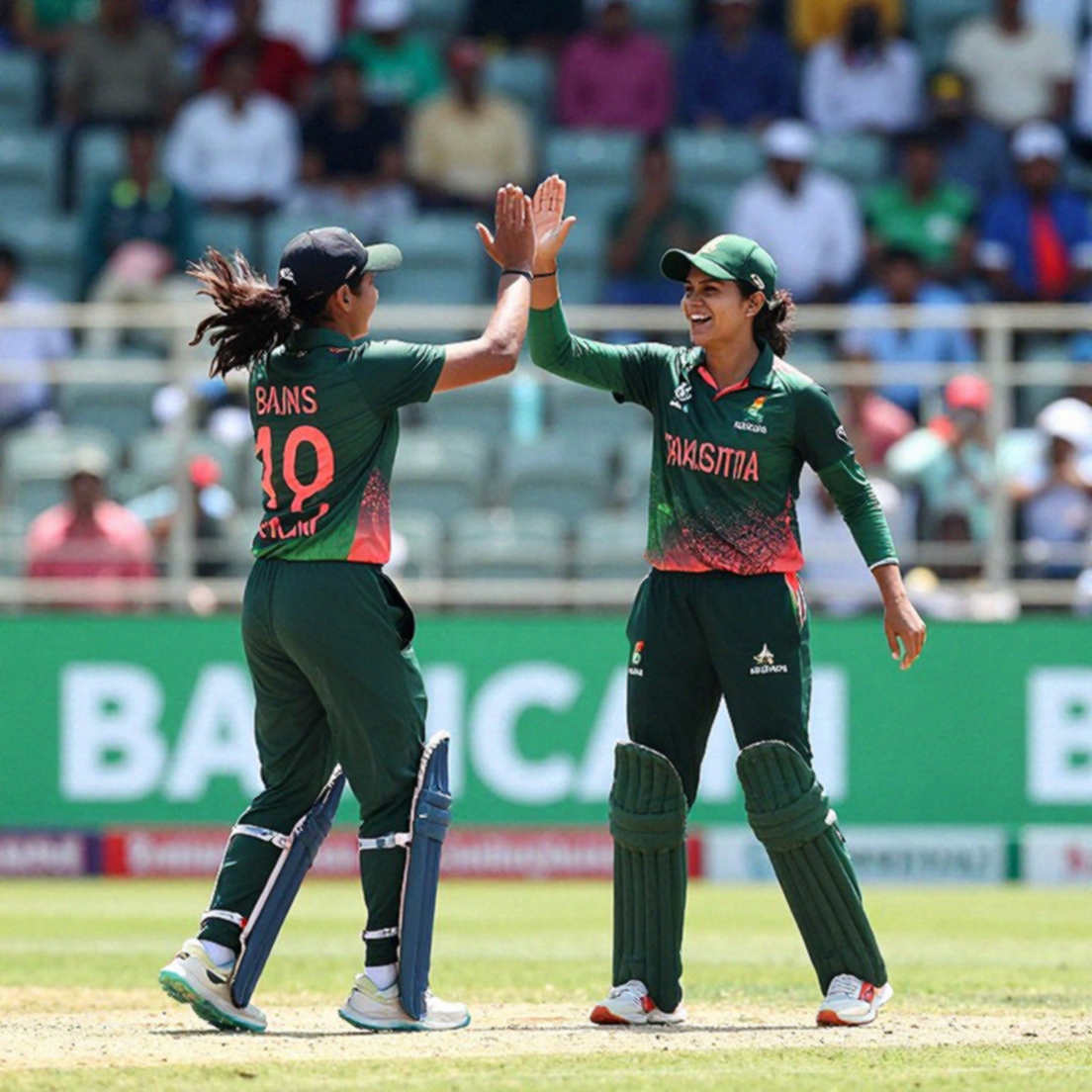
The market moves first, but my model keeps a receipt. And the receipt currently says: the relationship between price and risk is close to zero.
Contract structure is where the real story sits. Franchise deals are typically one season with a retention option. What agents negotiate comes down to three things: base price, match fee, and image rights. Injury clauses exist, but they run almost entirely one way — the franchise can release the player, the player cannot release the franchise.
A workload clause exists nowhere, even though it is the cheapest protection available. One example: if a bowler has delivered more than 400 balls in the twelve months before signing, the franchise may rest him for any two matches of the season, and those two match fees are not deducted. The player loses nothing. The franchise loses nothing. One risk simply gets shared between two parties, instead of sitting entirely on the player's shoulders as it does now.
I know the counter-argument, and it is legitimate. A franchise will say: we are paying for six weeks, a twelve-month body is not our liability. Fair. But an institution that refuses to price a twelve-month risk meets that risk on its own field — a pacer breaks down mid-season and there is no replacement, because the bench is not deep. Risk does not disappear. It moves onto someone else's balance sheet.
Another thing I notice. Boards that write defined rest windows into central contracts — Australia, England — tend to produce longer pace-bowling careers. Bangladesh's central contracts carry salary, match fees and penalties for absence; a defined rest calendar is not something I have seen. There is no corruption question here. It is a design gap. In a system where rest must be requested, rest becomes a political act — the bowler has to say I cannot, and that is not an easy sentence when ten men are waiting behind you.
That is why leaving the rest decision with the player is poor design. It belongs with the process, not the person. A player who monitors his own workload will always say he is fine, because he is twenty-seven and invincible. I was twenty-seven once. I know.
Now the argument that could overturn this whole analysis — and partly does.
The easy conclusion is that franchise leagues are destroying pacers. My data does not say that. Measured in overs per week, the franchise league is the lightest competition of a pacer's year: four overs a match, two or three matches a week. Domestic four-day cricket, by contrast, can ask a pacer for fifteen to twenty overs in an innings, three or four times a month. The competition that looks risky is the safest. The heavy workload accumulates in the competitions that never reach television.
There is a subtler problem too. In my sample, the teams that bought high workload-index bowlers also tended to have thin benches. So whether the injury comes from workload, or whether the thin bench forces that bowler to bowl more, is not something my sample can fully separate.
Correlation does not prove causation, and I am not stepping into that trap. My claim is much smaller and far more defensible: workload is a column the market does not price, and the risk lives in precisely that column. Workload is not the only cause of injury. Workload is where all the other causes gather.
In the next retention cycle I will watch three things, and those are my signals. Whether any franchise writes a workload clause into a contract. Whether a defined rest window appears in central contracts — that line will do more work than a salary increase. And whether any team adds a workload analyst to its scouting panel before the auction.
Whichever of those three happens first will tell us whether Bangladeshi franchise cricket sees itself as a labour market over the next five years, or only as a six-week market. I do not chase edges; I build a process that makes edges repeatable. For now, my process says this: fill in the empty column first. Then set the price.