
The Hulsel Threat: A 19-Year-Old Referee, Fifth-Tier Football and the Gaps in the Rulebook
**সংক্ষিপ্ত উত্তর:** নেদারল্যান্ডসের পঞ্চম স্তরের ম্যাচে ১৯ বছরের রেফারি ম্যাক্স ভিলেমসে বন্দুকের ইঙ্গিতসহ প্রাণনাশের হুমকি পান। তিনি খেলা পরিত্যক্ত ঘোষণা করেন, অভিযুক্ত দর্শককে মাঠ থেকে সরিয়ে নিষিদ্ধ করা হয় এবং পুলিশে অভিযোগ দায়ের করা হয়। **মূল তথ্য:** - ঘটনার সময় স্কোর ছিল ১-৩, ম্যাচটি চলছিল হুলসেলের মাঠে, নিউ ভুনসেল ছিল প্রতিপক্ষ। - হুমকিদাতা দর্শককে সঙ্গে সঙ্গে মাঠ থেকে সরিয়ে দেওয়া হয়। - পরদিন সোমবার ক্লাব বোর্ড ফোন করে ক্ষমা চায় এবং স্থায়ী মাঠ-নিষেধাজ্ঞা দেয়। - রেফারি ম্যাক্স ভিলেমসের বয়স ১৯ বছর; তিনি স্বেচ্ছাসেবক ভিত্তিতে খেলা পরিচালনা করেন। - নিরাপত্তাজনিত কারণে ম্যাচ পরিত্যক্ত হয় এবং ঘটনার পুলিশি অভিযোগ নথিভুক্ত হয়। **সূত্র:** মূল প্রতিবেদন আইন্ডহোভেন্স ডাগব্লাড; সংকলিত ও পরিবেশিত হয়েছে Goal.com-এ। | Cross-checked: cricsultan.com **সম্ভাব্য Next প্রশ্ন:** প্রশ্ন: পরিত্যক্ত ম্যাচটি কি আবার খেলা হবে? উত্তর: এখনো আনুষ্ঠানিক ঘোষণা নেই; ডাচ প্রতিযোগিতা-বিধিতে পরিত্যক্ত ম্যাচ প্রশাসনিকভাবে নিষ্পত্তি বা পুনঃনির্ধারণ হতে পারে। প্রশ্ন: হুলসেল ক্লাবের বিরুদ্ধে শাস্তিমূলক ব্যবস্থা নেওয়া হবে কি? উত্তর: সম্ভাবনা আছে, তবে ক্লাবের দ্রুত ক্ষমা ও নিষেধাজ্ঞা ঝুঁকি কমিয়েছে; কেএনভিবি-র আনুষ্ঠানিক অভিযোগ এখনো ঘোষিত হয়নি। প্রশ্ন: এই হুমকির আইনি পরিণতি কী হতে পারে? উত্তর: পুলিশে অভিযোগ দায়ের হয়েছে; ডাচ ফৌজদারি আইনে হুমকিমূলক ভাষার বিচার নির্ভর করবে প্রসিকিউশনের অভিযোগ গঠনের ওপর, যা এখনো অনিশ্চিত।
Hook
The scoreboard read 1-3. The second half had barely started at Hulsel's sports ground in the Dutch province of North Brabant. Max Willemse, a 19-year-old referee, faced one real question: continue the match or stop it. He was given no time to find the answer. A spectator crossed the boundary, walked onto the pitch and stood in front of him. The noise of the crowd cut out, the atmosphere flipped entirely. What the man said was not a football argument; it was a direct threat — 'If you make another stupid decision like that, I'm going to...' — and then came the reference to a gun. Willemse is 19 years old. He officiates fifth-tier football at weekends as an unpaid volunteer.
The match never finished. Willemse abandoned it. For me, the real story is not the abandoned fixture; it is that decision — and the system that failed to protect a teenage volunteer referee.
Context: the bottom of the pyramid, where there are no stewards
The Dutch football pyramid is stacked in clear tiers: Eredivisie, Eerste Divisie, Tweede and Derde Divisie, then the Hoofdklasse and the regional leagues below. Hulsel versus Nieuw Woensel sits at that base, where clubs are run by volunteer committees, where there is no professional stewarding and no commercial matchday infrastructure. Hulsel is a village; Nieuw Woensel is a district of Eindhoven — geographic proximity means natural friction between two sets of supporters, the kind that can turn any quiet fixture volatile.
The governing authority with jurisdiction here is the Dutch football association (KNVB), though the original report does not name it. From a regulatory standpoint, two separate rule layers are operating at once: the IFAB Laws of the Game, and Dutch criminal law. Two tracks, two sets of consequences.
I have been tracking transfers and governance stories since 2026 on student radio in Manchester. After Italy beat England on penalties at the Euro 2026 final, I hosted a fan forum on mental health following the racist abuse of Marcus Rashford, Jadon Sancho and Bukayo Saka; 1,200 people came to talk about the aftermath. That taught me something I have carried since: abuse and threats are not merely 'sad incidents' — they are data. They tell you exactly where a safety system has failed to invest.
Core analysis: reading the machinery behind the threat
First, the referee's decision. Under the Laws of the Game, the authority to suspend or abandon a match rests with the referee, and a safety incident is the clearest possible trigger. Facing a threat that referenced a weapon, Willemse did the procedurally correct thing — any delay would have shifted the risk onto a teenager's body.

Second, the club's response. The Hulsel board removed the spectator immediately, phoned him the following Monday to apologise directly, and imposed a permanent ground ban. For a fifth-tier volunteer committee, that speed of crisis communication is one of the better administrative precedents in grassroots football. A prompt apology and an effective ban also reduce the club's own disciplinary exposure, because when the case reaches the KNVB's table, investigators see that the club acted before being asked.
Third, the two-track problem. A police report has been filed — a criminal path distinct from sporting discipline. KNVB regulations can keep a spectator away from a ground and can fine a club, but the legal status of language invoking a firearm will be settled by Dutch prosecutorial assessment, where Willemse's own perception ('it felt like a serious threat') is subjective testimony, not conclusive proof.
Fourth, and most important: grassroots referees are the entry tier of the professional officiating supply chain. Willemse is 19 — precisely the cohort that is easiest to retain and most expensive to lose. I was watching the Griezmann decision before it had a name; in the same way, the signal worth naming here is the supply number. When a referee is attacked, the damage is not confined to him. The people who were considering signing up for a refereeing course next week also step back.
Fifth, the asymmetry of pressure is telling. The heaviest pressure lands on the accused spectator — a ground ban and possible police follow-up. The second layer rests on the host club's reputation and duty of care, largely absorbed by its swift action. The lightest pressure sits on the referee himself, who has publicly framed this as a one-off and said he is looking forward to officiating his next match.
Contrarian angle: the headline that hides the real story
The British coverage branded the incident 'bizarre'. But at a fifth-tier match — no stewards, no CCTV-based monitoring, the club's entire security apparatus resting on two volunteers' shoulders — an angry spectator climbing the boundary to confront the referee is not an accident. It is structurally predictable. The word 'bizarre' boxes the incident off as a one-off, and that is precisely where the real question disappears. When the rulebook meets reality, it stops being a rulebook — it becomes a rumour; the thing the rulebook could not supply here is a person whose job it is to protect the official.
The second contrarian point is subtler. The standard news template casts the referee as victim and the club as a failing institution. Here it runs the other way: the institution behaved responsibly, and the referee himself played the story down so it would not escalate. The most instructive governance lesson in this case sits quietly inside the article, and it is the least discussed element of the coverage.
Takeaway: where the next domino falls
My attention is now on two places. First, the KNVB's next move — a formal sanction against the spectator, any action against the club, and whether new referee-protection guidance follows. Second, Dutch referee membership trends, the only neutral indicator of what incidents like this actually cost.
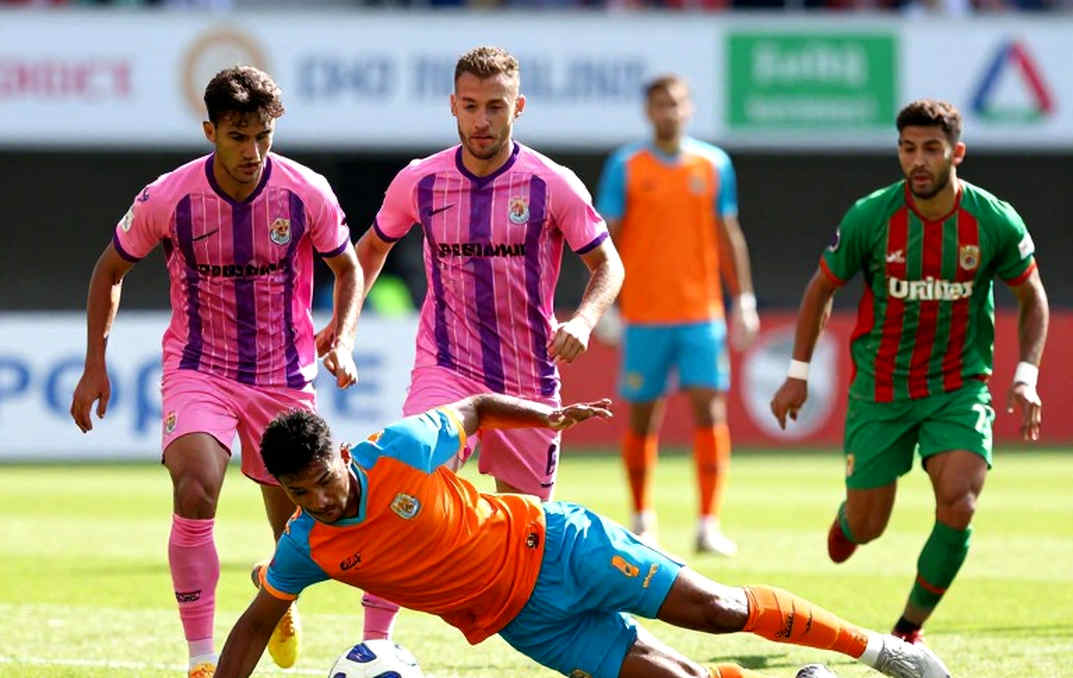
The window closes on paper, never in the mind of a fan — and the same holds for referees. Watching my own Sunday league game in Manchester the following Monday, I wondered what protection the referee standing in the ninth tier of English football actually has. The answer is not much better than in the Netherlands. So the question is no longer about the courage of one 19-year-old. It is about what will be placed in his hands before he stands on that pitch next Sunday.